

The Real Stories Behind Robben Island and Livingstone Museum
Introduction: Why These Stories Still Matter
Stories shape how people understand the past. They also help visitors connect with places today. Robben Island and the Livingstone Museum both hold accounts that speak about courage, learning, and shared memory. While they sit in different countries, the narratives found there often echo each other. They speak about people, choices, and hope.
Because history can feel distant, these accounts help bring it closer. They turn dates into voices. They turn buildings into lived spaces. As a result, travelers do not only see sites. Instead, they feel meaning. This is why these experiences remain important for visitors from around the world.
Moreover, both sites focus on human experience. They show how people faced struggle, growth, and change. Although the settings differ, the lived experiences remind us that dignity and resilience connect communities across borders.
Experiences of Robben Island: More Than a Prison
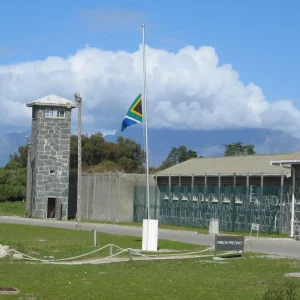 Robben Island is often known as a former prison. However, the stories found there go far beyond walls and cells. This island holds personal accounts of people who stood firm during hard times. It also carries memories of learning, debate, and inner strength.
For many visitors, the most powerful moments come from personal recollections. Former political prisoners often guide tours. Because of this, these recollections are shared in a direct and honest way. You hear not only what happened, but how it felt. For more detailed visitor information, see the Robben Island Museum official site.
In addition, these memories highlight daily life on the island. Prisoners worked in harsh conditions. They faced strict rules. Yet, they supported one another. Through shared study and discussion, they built a sense of purpose. Therefore, Robben Island became a place of growth as well as hardship.
Learning and Unity on Robben Island
Education plays a key role in the lived history of Robben Island. Many prisoners believed that learning was a path to freedom of thought. As a result, they taught one another in secret. They shared books. They discussed ideas. They questioned systems.
Because of this, Robben Island is sometimes called a “university.” This name reflects the knowledge passed between people. Although the space was meant to silence voices, it instead helped shape leaders. Consequently, the shared memories speak of unity and collective effort.
These experiences also show how people from different backgrounds came together. Language, culture, and belief did not divide them. Instead, shared goals created strong bonds. Therefore, the island’s legacy continues to inspire visitors today. Its global significance is recognized by UNESCO.
Memory and Reflection for Visitors
When visitors walk through Robben Island, personal accounts guide each step. Cells, yards, and buildings all hold meaning. Because of guided interpretation, these spaces become easier to understand.
Moreover, these reflections help visitors think about freedom and responsibility. They invite questions. They encourage listening. They also remind people that change takes time and effort.
Many travelers visit Robben Island as part of guided journeys with Knap Tours. Through careful planning, these visits focus on respectful learning. As a result, lived experiences are shared with care and honesty, not rushed or simplified.
Heritage Preserved at the Livingstone Museum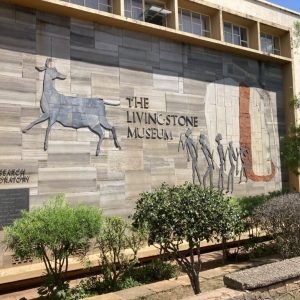
The Livingstone Museum in Zambia holds a wide range of accounts. Unlike Robben Island, this site is not one single place of confinement. Instead, it brings together many perspectives under one roof. These perspectives cover culture, science, history, and daily life.
Because the museum presents many voices, visitors gain a broad view of the region. Meaning is shared through objects, photos, and written records. Each section offers a chance to learn. Visitors can find more information directly from the Livingstone Museum website.
Furthermore, the museum presents accounts of local communities and national growth. It shows how people adapted to change. It also explains how traditions and modern life connect. Therefore, the museum becomes a place of understanding rather than simple display.
People and Daily Life
One of the strongest parts of the Livingstone Museum is its focus on everyday experiences. Items like tools, clothing, and artwork share simple but powerful insights. They show how people lived, worked, and expressed identity.
Because these experiences focus on daily life, they feel familiar. Visitors often see links to their own lives. As a result, learning feels personal and real.
In addition, the museum avoids framing communities as distant or outdated. Instead, it presents them as active and evolving. This approach respects people and their lived reality. Therefore, the shared perspectives feel inclusive and balanced.
Exploration and Exchange
The Livingstone Museum also presents accounts of travel and exchange. These stories explain how ideas and goods moved across regions. They highlight contact between different societies.
However, the museum presents this material with care. It shows both opportunity and challenge. Because of this, visitors gain a fuller picture. Content is not simplified. Instead, it is placed in context.
This balanced approach helps visitors understand complexity. It also encourages thoughtful discussion. Therefore, these narratives serve as learning tools rather than fixed conclusions.
Linking Past and Present
Both Robben Island and the Livingstone Museum focus on connection. Their accounts link past experiences with present understanding. They show how history shapes today’s choices.
Because of interpretation and guidance, visitors can see patterns. They notice how courage appears in many forms. They also see how learning supports progress. As a result, these experiences feel relevant, not distant.
Travelers exploring Southern Africa with Knap Tours often include both sites in broader journeys. Through this approach, perspectives from different places come together. Consequently, travelers gain deeper insight into the region as a whole.
Guided Interpretation and Learning
Guided experiences play a big role in how meaning is shared. On Robben Island, guides speak from lived experience. At the Livingstone Museum, displays guide visitors step by step.
Because guidance shapes understanding, clear interpretation matters. Simple language helps. Honest tone builds trust. Therefore, visitors feel comfortable asking questions and reflecting.
Moreover, guides often adjust their explanations to the audience. They listen. They respond. This creates a shared space for learning. As a result, history becomes a conversation, not a lecture.
Respect and Responsibility
With powerful history comes responsibility. Both sites handle sensitive topics. Because of this, respectful interpretation is essential. Material is shared without blame or judgment.
Instead, the focus stays on human experience. Visitors are invited to listen first. Then, they are encouraged to think and discuss. This approach builds empathy.
Furthermore, these experiences remind travelers to act with care. They encourage respect for places and people. Therefore, visits become meaningful rather than casual stops.
Inspiring Future Generations
Learning is not only about the past. It also shapes the future. Young visitors often connect strongly with stories of resilience and learning.
Because these accounts show real people facing real challenges, they inspire action. They encourage curiosity. They also support values like fairness and cooperation.
The Livingstone Museum supports education through interpretation. Robben Island does the same through lived memory. As a result, both sites help pass knowledge forward.
Responsible Tourism and Understanding
Responsible tourism depends on understanding context. When visitors learn meaning, they travel with awareness. They respect rules. They value preservation.
Tour operators like Knap Tours support this approach by promoting thoughtful visits. Through planning and guidance, understanding is shared in ways that protect its value. Therefore, tourism becomes a tool for learning, not harm.
Moreover, responsible tourism supports local economies and education. It helps maintain sites for future visitors. As a result, heritage remains accessible over time.
Similar Stories, Different Spaces
Although Robben Island and the Livingstone Museum differ in form, their goals align. Both aim to educate, connect, and encourage reflection.
Robben Island focuses on one powerful location. Its legacy grows from a shared experience of confinement and resistance. The Livingstone Museum, however, spreads knowledge across many themes. It invites exploration and comparison.
Yet, both encourage reflection. Both highlight human strength. Therefore, visiting both offers a fuller understanding of Southern Africa’s shared history.
What Visitors Carry With Them
Many visitors leave these sites changed. Memories stay long after the visit ends. They influence how people see justice, culture, and community.
Because stories are emotional as well as factual, they create lasting impact. Visitors often share what they learned with others. As a result, understanding continues beyond the site.
This sharing helps keep memory alive. It also builds understanding across borders. Therefore, lived history serves as a bridge between people.
Conclusion: Listening With Care
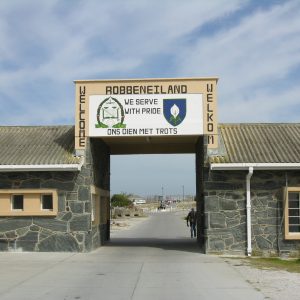 The real meaning behind Robben Island and the Livingstone Museum deserves careful attention. These places speak about struggle, learning, and connection. They also remind visitors of shared humanity.
By engaging with these experiences, travelers gain more than information. They gain perspective. They learn to listen. They understand complexity.
Ultimately, these lessons invite respect and reflection. They ask visitors to carry insights forward. In doing so, the meaning continues to live, teach, and inspire.



Comment (0)