

Soweto Tour: Apartheid Museums & Mandela Sites Explained
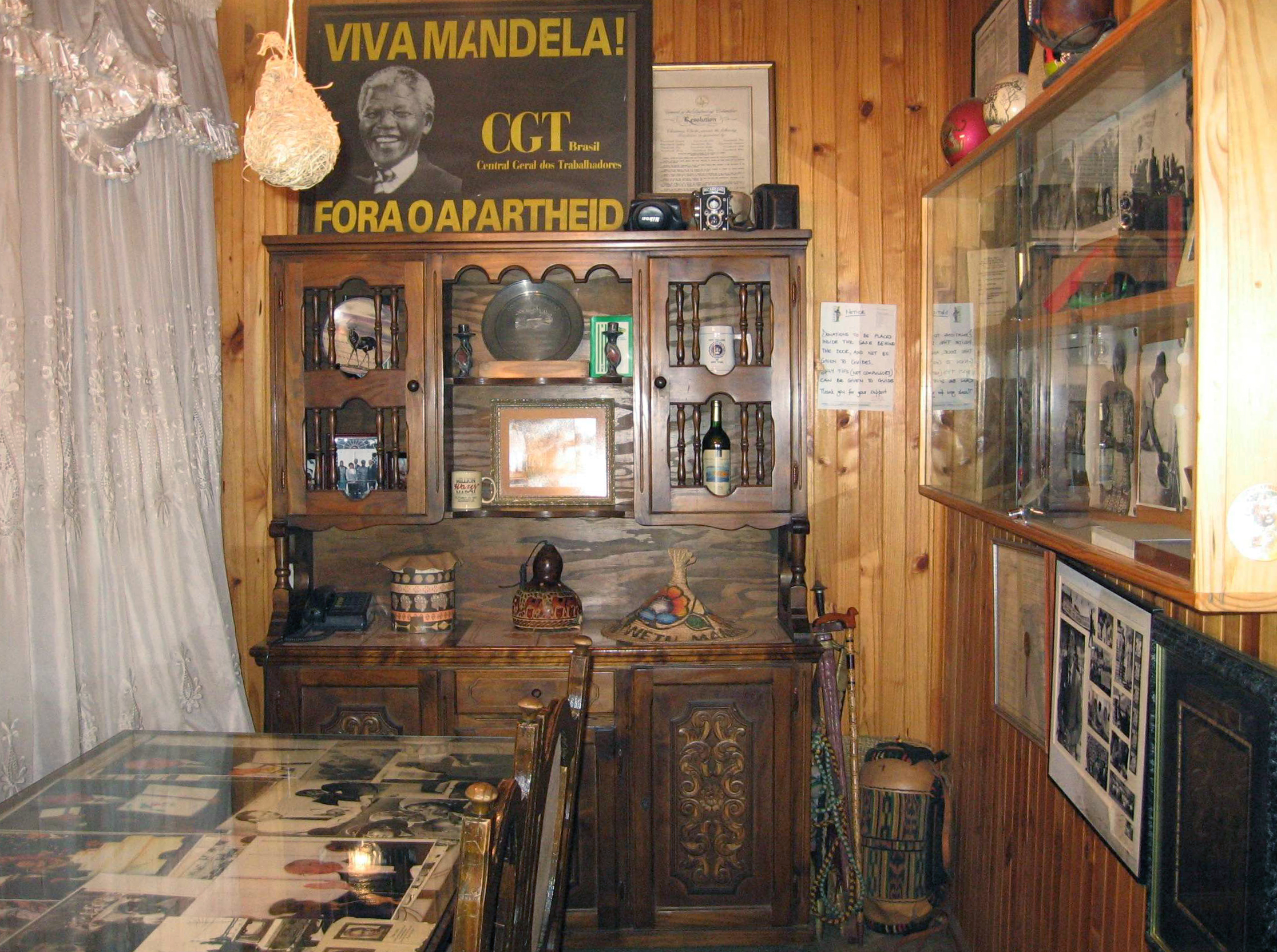 A Soweto tour is more than a city visit. It is a journey through South Africa’s struggle for freedom. It is also a story of courage, community, and hope. While many visitors come to Johannesburg for business or safari travel, they soon learn that Soweto holds the emotional heart of the country’s modern history.
This guide explains the key museums and Mandela sites you will see on a Soweto tour. It also shares why these places matter today. Moreover, it shows how local guides bring history to life in a respectful and inclusive way.
Why a Soweto Tour Matters
Soweto stands for “South Western Townships.” It began as a planned area where Black South Africans were forced to live during apartheid. However, over time, Soweto became a powerful centre of resistance and cultural pride.
Today, more than a million people live in Soweto. The area is vibrant and full of music, art, and small businesses. Yet, it is also home to sites that tell the truth about apartheid. Therefore, a Soweto tour helps visitors understand South Africa’s past while seeing how communities shape the future.
In addition, visiting these landmarks supports local guides and family-run businesses. Responsible tourism plays a key role in economic growth. As a result, tours create jobs and preserve stories for future generations.
Soweto and the Apartheid Museum
Although the Apartheid Museum is located in Johannesburg, it is often included in a Soweto tour. The museum gives deep background before you explore the township itself.
The Apartheid Museum opened in 2001. It tells the story of apartheid from 1948 to 1994. Visitors receive a ticket marked “White” or “Non-White” at the entrance. This small action shows how racial laws once divided daily life.
Inside, you walk through powerful exhibits. Photographs, video clips, and personal stories fill the rooms. Furthermore, the museum explains how ordinary people stood up against injustice. It highlights youth leaders, workers, women, and faith groups who pushed for change.
You can learn more directly from the museum’s official website here:
https://www.apartheidmuseum.org
Because of this context, a Soweto tour becomes more meaningful. You do not just see buildings. Instead, you understand the system that shaped them.
Soweto and the Hector Pieterson Memorial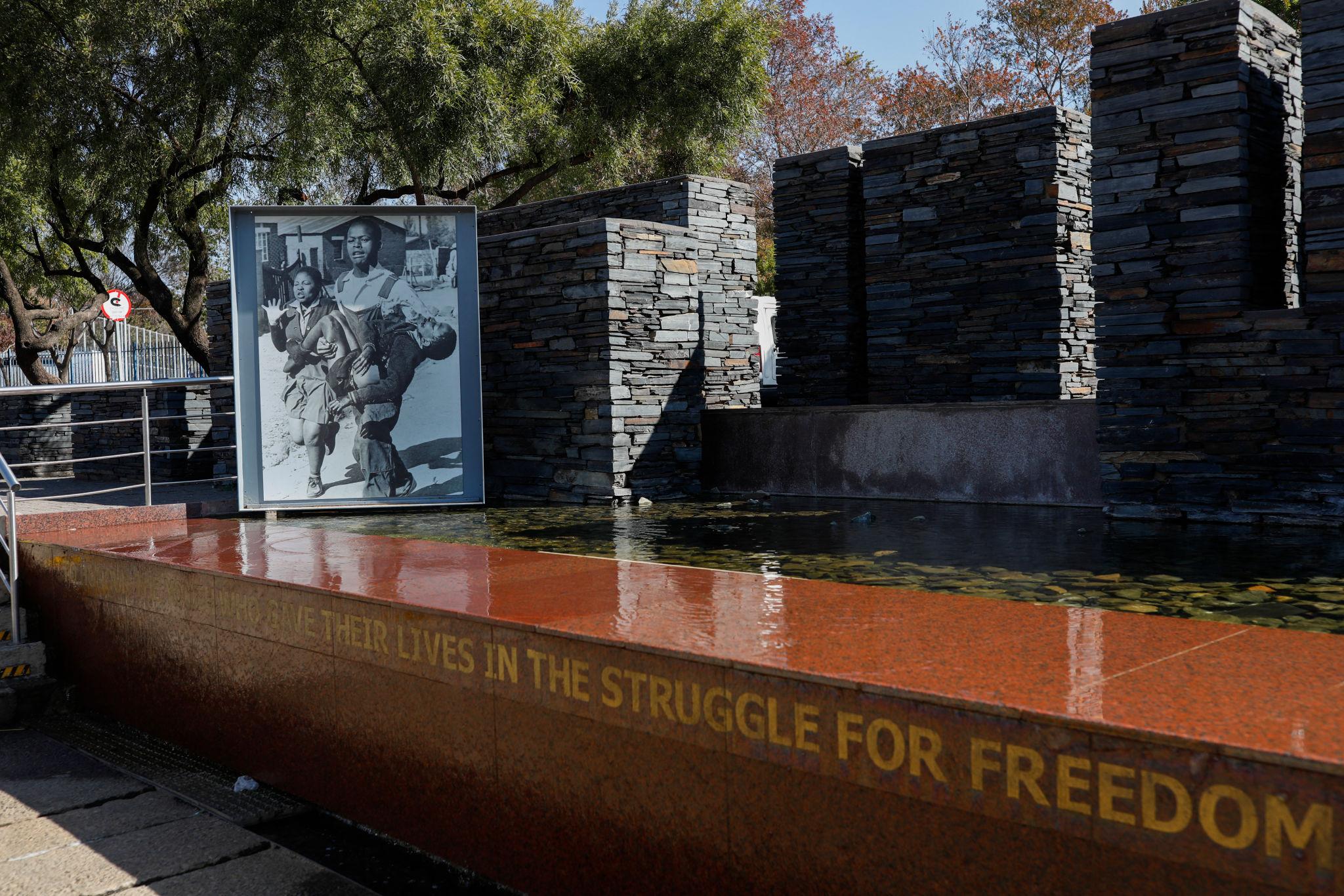
One of the most emotional stops on a Soweto tour is the Hector Pieterson Memorial. This site honours the students who protested against the forced use of Afrikaans in schools on 16 June 1976.
Hector Pieterson was only 12 years old when he was shot during the protest. The image of another student carrying his body spread around the world. As a result, global awareness of apartheid grew stronger.
The memorial includes a museum that explains the youth uprising. It shows how school learners organised marches. It also explains how the protest changed the course of history.
Importantly, the museum focuses on the courage of young people. Their voices mattered. Their actions helped bring global pressure on the apartheid government.
You can read more about the history of the 1976 uprising through South African History Online:
https://www.sahistory.org.za
When you stand at the memorial pool, the atmosphere is quiet. Guides often share personal stories from the community. Consequently, the experience feels human and real.
Soweto and Nelson Mandela House
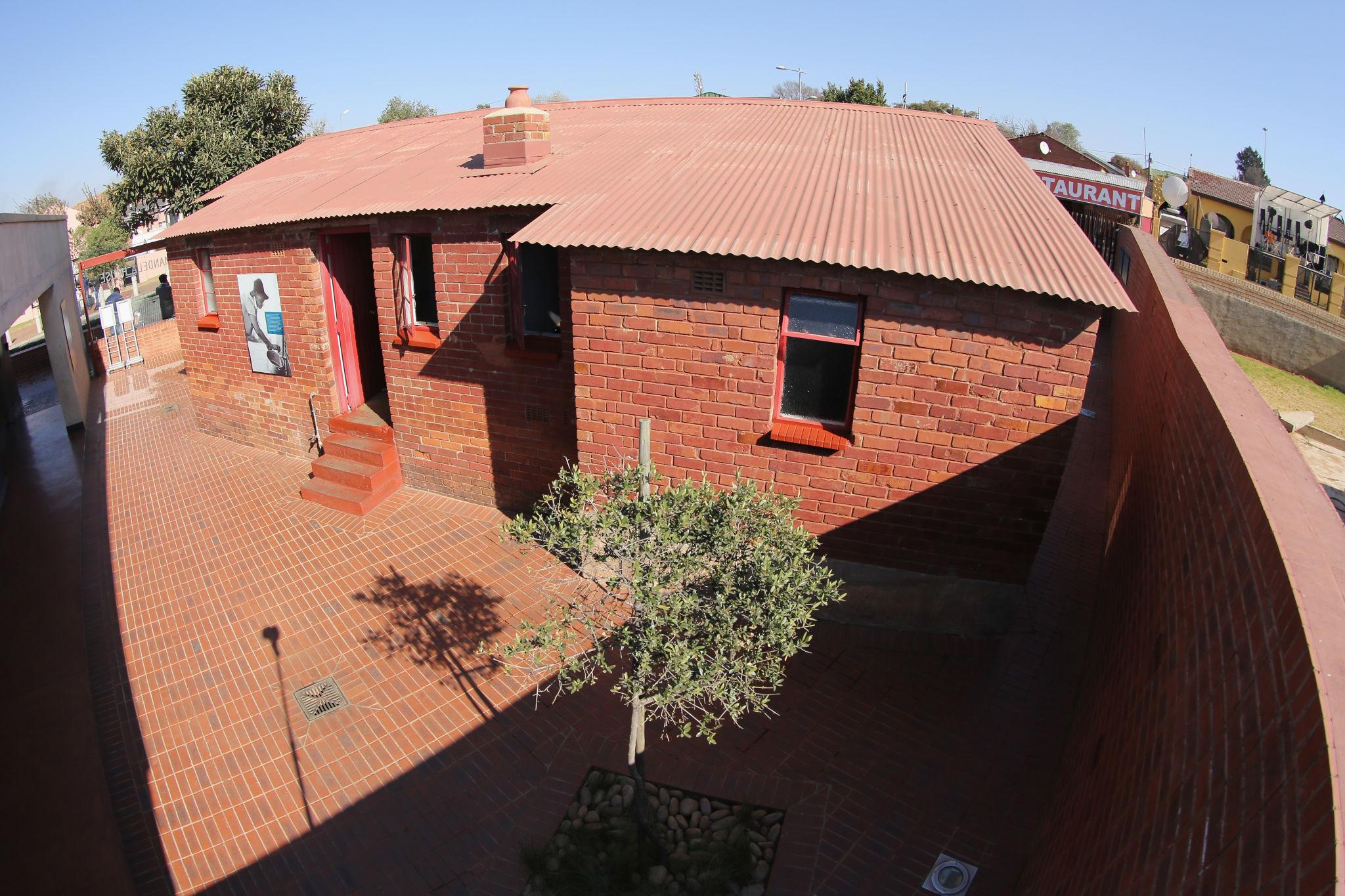
No Soweto tour is complete without visiting the former home of Nelson Mandela. The small brick house stands on Vilakazi Street. Today, it is known as the Mandela House.
Mandela lived here before his long imprisonment. Although the house is modest, it holds deep meaning. Bullet holes and burn marks on the walls remind visitors of violent raids. Yet, inside, you also see family photos and gifts from around the world.
Vilakazi Street itself is special. It is the only street in the world where two Nobel Peace Prize winners once lived: Nelson Mandela and Desmond Tutu. Therefore, the street symbolises leadership and hope.
You can explore more about Mandela’s legacy at the Nelson Mandela Foundation:
https://www.nelsonmandela.org
Walking through the house gives a sense of scale. Mandela did not come from luxury. Instead, he came from a community shaped by struggle and unity.
Soweto and Vilakazi Street Culture
While history is central, a Soweto tour also celebrates modern culture. Vilakazi Street is filled with restaurants, craft markets, and music. As you walk, you hear local jazz and kwaito sounds. Meanwhile, street vendors sell handmade art.
Many visitors choose to enjoy lunch here. Traditional dishes such as pap, chakalaka, and grilled meat are common. However, you can also find vegetarian and modern fusion options. The area welcomes everyone.
Community guides often explain daily life in Soweto today. They talk about education, sports, and business growth. In addition, they share how young entrepreneurs are shaping the township’s future.
How Knap Tours Brings Soweto to Life
A guided experience makes a big difference. Knap Tours offers structured and respectful Soweto tours that focus on history, culture, and community voices. Their guides are knowledgeable and passionate. They explain facts clearly while also sharing lived experiences.
Moreover, Knap Tours works with local partners in the township. This approach supports small businesses and promotes responsible tourism. As a result, visitors connect with real people rather than just landmarks.
Safety and comfort are also important. Therefore, Knap Tours provides transport, clear schedules, and flexible options. Guests can combine a Soweto tour with the Apartheid Museum or other Johannesburg highlights.
Because storytelling matters, guides encourage questions. Conversations are open and respectful. Consequently, travellers leave with deeper understanding.
What to Expect on a Soweto Tour
Most Soweto tours last half a day or a full day. Transport usually begins in Johannesburg. First, you drive past Orlando Towers, which are now used for adventure sports. Then, you stop at key historical sites.
You will likely visit:
-
Hector Pieterson Memorial
-
Mandela House
-
Vilakazi Street
-
Local community areas
-
Optional visit to the Apartheid Museum
Some tours also include a visit to a local home. This experience allows visitors to meet families and learn about daily life. Importantly, these visits are arranged respectfully and with permission.
Bring comfortable shoes. Weather can be warm, especially in summer. In addition, carry water and sun protection.
Soweto’s Role in South Africa Today
Soweto is not frozen in the past. It continues to grow and change. New shopping centres, schools, and cultural spaces are opening. At the same time, challenges such as unemployment still exist.
However, local leaders and community groups are working hard. Youth programs focus on education and skills. Arts initiatives support creative talent. Sports clubs unite children from different backgrounds.
Therefore, a Soweto tour is not only about apartheid. It is also about resilience and progress.
Respectful Travel in Soweto
When visiting Soweto, respectful behaviour is essential. Ask before taking photos of people. Listen carefully to guides. Support local businesses when possible.
Language also matters. Use inclusive words. Speak about communities with dignity. Remember that this is a living neighbourhood, not an exhibit.
Responsible travel creates mutual understanding. It builds bridges between visitors and residents.
Combining Soweto with Other Johannesburg Sites
Many travellers combine a Soweto tour with Constitution Hill or the Apartheid Museum. Constitution Hill was once a prison complex. Today, it houses South Africa’s Constitutional Court.
Although these sites are separate, they tell connected stories. Together, they show how South Africa moved from oppression to democracy.
If you have more time, you can add a visit to local markets or art galleries in Johannesburg. This balance of history and modern culture gives a full picture of the city.
 Planning Your Soweto Tour
Booking in advance is wise, especially during peak seasons. Morning tours are often cooler and less crowded. Meanwhile, afternoon tours allow time for lunch on Vilakazi Street.
Knap Tours offers customised Soweto experiences for individuals, families, and small groups. Their team ensures that each visit is informative and comfortable. In addition, they provide clear communication before and after the tour.
Because travel connects people, choosing the right operator matters. A thoughtful guide helps you see beyond headlines. As a result, your understanding grows.
Final Thoughts on a Soweto Tour
A Soweto tour is powerful. It explains apartheid honestly. It honours those who fought for freedom. It also celebrates the strength of community life today.
Through visits to the Apartheid Museum, Hector Pieterson Memorial, and Mandela House, you learn key chapters of South Africa’s story. Yet, you also see children playing soccer and families running cafés.
History and hope stand side by side in Soweto. That balance makes the experience unforgettable.
If you want a guided and meaningful visit, Knap Tours can help you explore Soweto with care and insight. In the end, you leave not only with photos but with understanding.
And that understanding stays with you long after the tour ends.