

Safari Photography Tips for Beginners
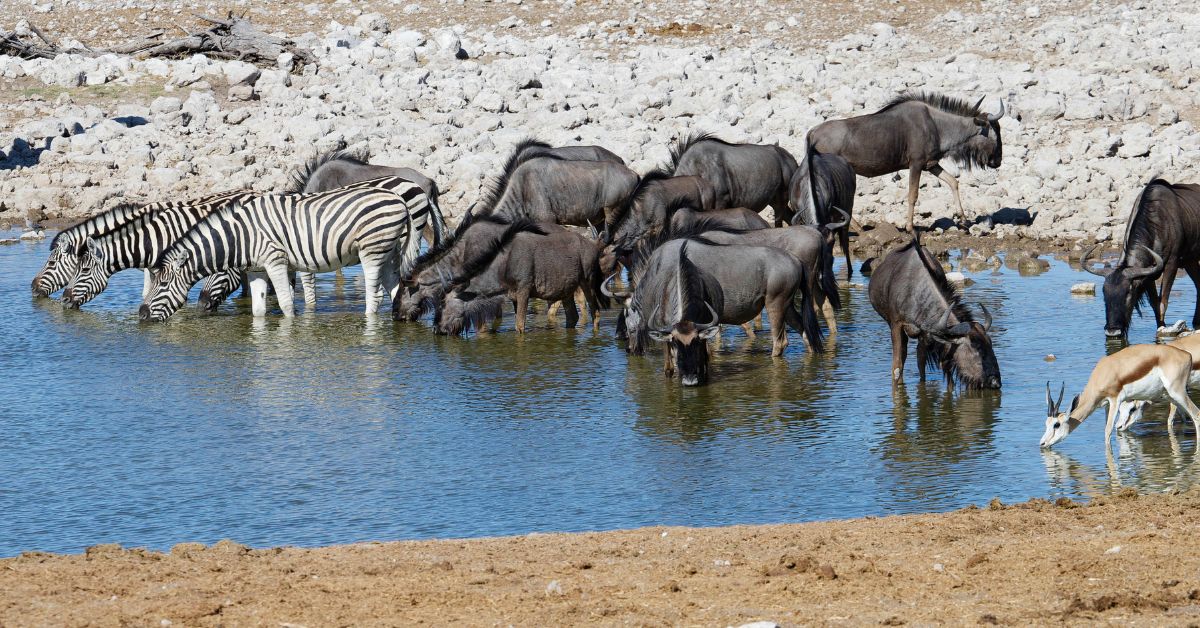 A safari is one of the most exciting photography experiences. Wildlife, wide-open landscapes, and dramatic skies make for incredible photos. If you are new to safari photography, it can feel overwhelming. There are so many animals, so little time, and every moment seems special. However, with a few practical tips, you can capture amazing memories.
Safari photography is not just about pointing and shooting. It requires preparation, patience, and understanding animal behavior. This guide shares beginner-friendly strategies so you can take stunning photos safely and ethically. Whether you join Knap Tours on a multi-day safari or explore on your own, these tips will help you improve your skills.
1. Choose the Right Camera for Safari Photography
Selecting the right camera is the first step in safari photography. Many beginners wonder whether to use a DSLR, mirrorless camera, or smartphone. Each option has pros and cons. DSLRs and mirrorless cameras offer better zoom lenses and faster autofocus. Smartphones are convenient and easier to carry, but may struggle in low light or when animals are far away.
Transitioning between different cameras can feel tricky. Consider your comfort level and your budget. A camera with a long lens, such as 200mm to 400mm, is ideal for wildlife. This allows you to photograph animals without disturbing them. Remember, your camera is a tool. The real skill comes from understanding how to use it effectively.
2. Use the Right Lens
Lenses are critical in safari photography. Telephoto lenses help capture distant animals, while wide-angle lenses are great for landscapes. Beginners often focus on zooming too much. Instead, think about composition and storytelling. Sometimes a simple shot of the savanna or a watering hole can be more powerful than a close-up of a single animal.
When choosing a lens, also consider light. In low light, larger apertures (f/2.8–f/5.6) perform better. They let in more light and produce sharper images. Zoom lenses offer flexibility but can be heavier. Tripods or monopods are optional but useful for stability, especially on game drives.
3. Learn Basic Camera Settings
Understanding your camera settings improves safari photography dramatically. Start with these essentials:
- Shutter Speed: Fast speeds (1/500s or higher) freeze movement. This is crucial for running animals.
- Aperture: Wide apertures (low f-number) create blurred backgrounds, making your subject stand out.
- ISO: Keep ISO as low as possible for clear images. Increase it in low light to avoid blurry shots.
Experiment with these settings before your safari. Many beginners rely on automatic mode, but manual control allows more creative freedom. Practice adjusting settings quickly because animals move fast. A well-timed shot often beats perfect gear.
4. Focus on Composition
Composition transforms ordinary shots into stunning photos. Use the rule of thirds, leading lines, and natural frames. Place animals off-center to create balance. Include the environment to tell a story. A lion on a plain or elephants near a river feels more dramatic than an isolated portrait.
Transitional words like “first,” “next,” and “finally” guide viewers through your story. For example, first capture a wide shot of the landscape, then focus on animal details. Finally, add unique elements like birds or plants to complete the scene. Composition takes practice, but it makes every image more memorable.
5. Be Patient and Observant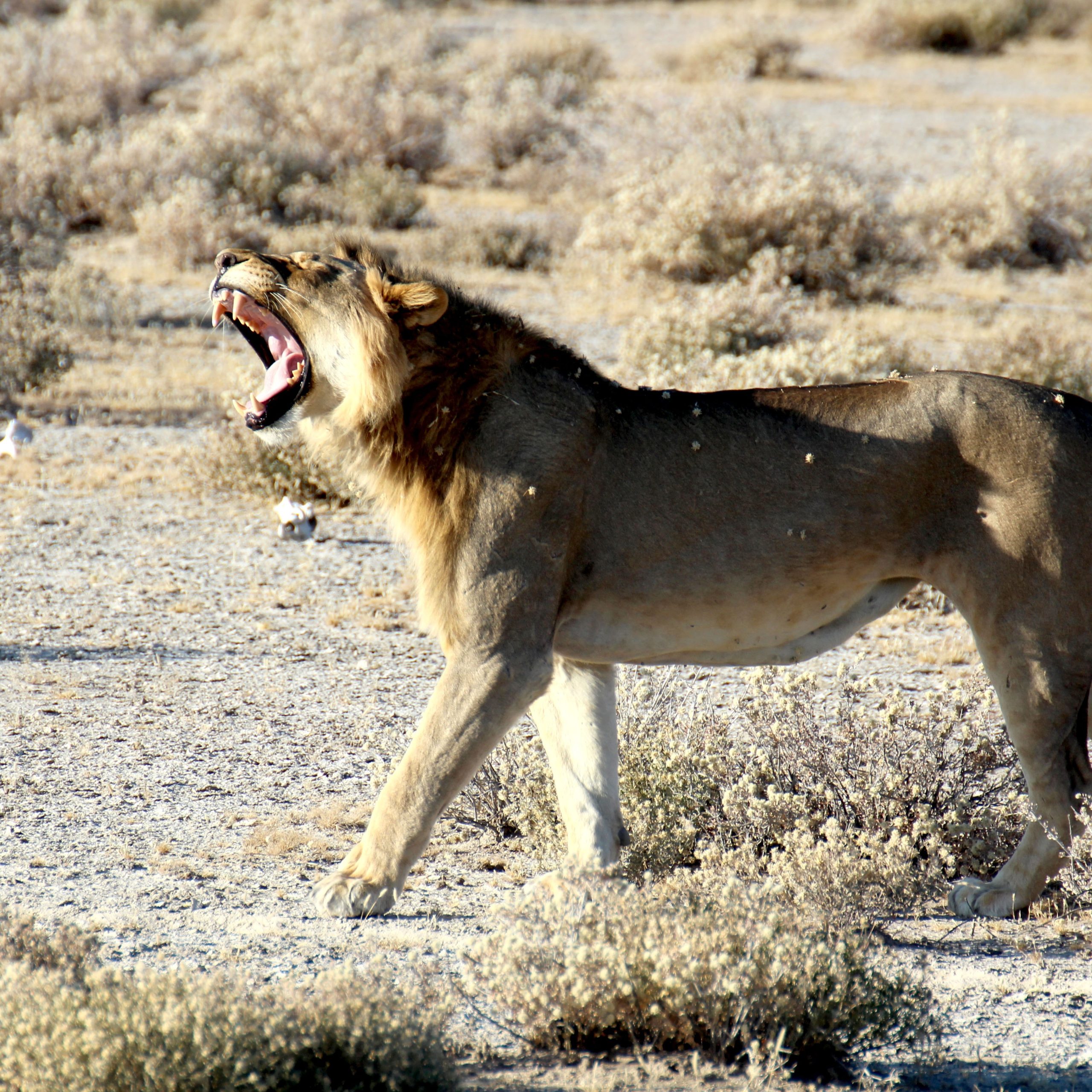
Safari photography requires patience. Animals do not pose for cameras. Sometimes, you wait quietly for minutes or even hours. Observing behavior helps anticipate moments. Lions yawning, elephants drinking, or giraffes walking slowly create opportunities for perfect shots.
Avoid rushing. Use this time to adjust angles, test light, and think creatively. Ethical safari photography respects wildlife. Stay in the vehicle unless guided otherwise. Patience and observation lead to more natural and impactful images.
6. Use Natural Light Effectively
Light is one of the most important tools in safari photography. Early morning and late afternoon offer soft, golden light. Midday sun is harsh and creates strong shadows. Beginners often make the mistake of shooting at noon. Instead, plan your game drives around sunrise or sunset for dramatic photos.
Pay attention to the direction of light. Front light illuminates the subject clearly, while side light adds texture. Backlighting can create stunning silhouettes. Experiment with angles and shadows to add depth and interest. A little knowledge of natural light transforms your photos instantly.
7. Focus on Eyes and Details
In wildlife photography, eyes are the most expressive part of an animal. Sharp eyes make photos feel alive. Always focus on the nearest eye when taking a portrait. Use a narrow depth of field to blur the background slightly, keeping attention on the animal.
Details like fur, feathers, or textures add realism. Capture movement too, such as wings flapping or a tail swishing. These small elements make your images more engaging. Beginners should practice both wide shots and close-ups to develop a balanced portfolio.
8. Keep Your Gear Safe and Simple
Safari photography involves dusty vehicles, bumpy roads, and unpredictable conditions. Protect your gear with camera bags and lens covers. Clean lenses regularly. Carry only essential equipment to avoid stress or fatigue.
Simplicity often yields better results. Using fewer lenses allows faster reaction times. Backup batteries and memory cards are essential. Being prepared ensures you never miss a shot, especially during fleeting wildlife encounters.
9. Learn from Experts and Tours
Joining a guided safari like Knap Tours provides expert insights. Guides know animal behavior and the best locations for photography. They also offer tips on ethical photography. Beginners benefit from guidance on composition, timing, and safety.
Many tour companies provide photography-focused experiences. You can learn how to anticipate movement, use light creatively, and frame animals effectively. For more tips and ideas, check out resources like National Geographic Photography and Wildlife Photographer of the Year for inspiration.
10. Practice Ethical Wildlife Photography
Respecting animals is central to safari photography. Avoid disturbing or feeding wildlife. Keep a safe distance, and follow guide instructions. This ensures both your safety and the animals’ wellbeing. Ethical photography also helps preserve habitats for future generations.
Share your photos responsibly. Avoid sensational captions that misrepresent behavior. Encourage others to enjoy wildlife without harm. Ethical practices reflect positively on you and contribute to sustainable tourism.
11. Experiment with Storytelling
Safari photography is more than snapshots. Create a story with your images. Capture the journey from sunrise to sunset, animals interacting, and the landscapes they inhabit. Include moments of behavior, interaction, and environment.
Storytelling makes your portfolio engaging. A series of images often tells more than a single shot. Think about your audience and the message your photos convey. Sharing a photo essay online or through tours like Knap Tours can inspire others to explore nature responsibly.
12. Review and Learn from Your Photos
After each safari, review your photos carefully. Identify what worked and what didn’t. Look at composition, lighting, and sharpness. Note which camera settings produced the best results. Learning from mistakes is essential in improving safari photography.
Participate in online communities or photography forums. Platforms like Flickr Wildlife Groups or 500px allow feedback and inspiration. Continuous practice and feedback develop your skills faster than any single trip.
13. Enjoy the Experience
Finally, enjoy the safari experience. Photography is important, but don’t miss the beauty around you. Watching animals in their natural habitat is a privilege. Balance your time between capturing images and simply observing.
Memories are just as valuable as photos. Take mental snapshots and appreciate every moment. Beginner or not, a safari leaves you with unique experiences that inspire future adventures.
Final Thoughts
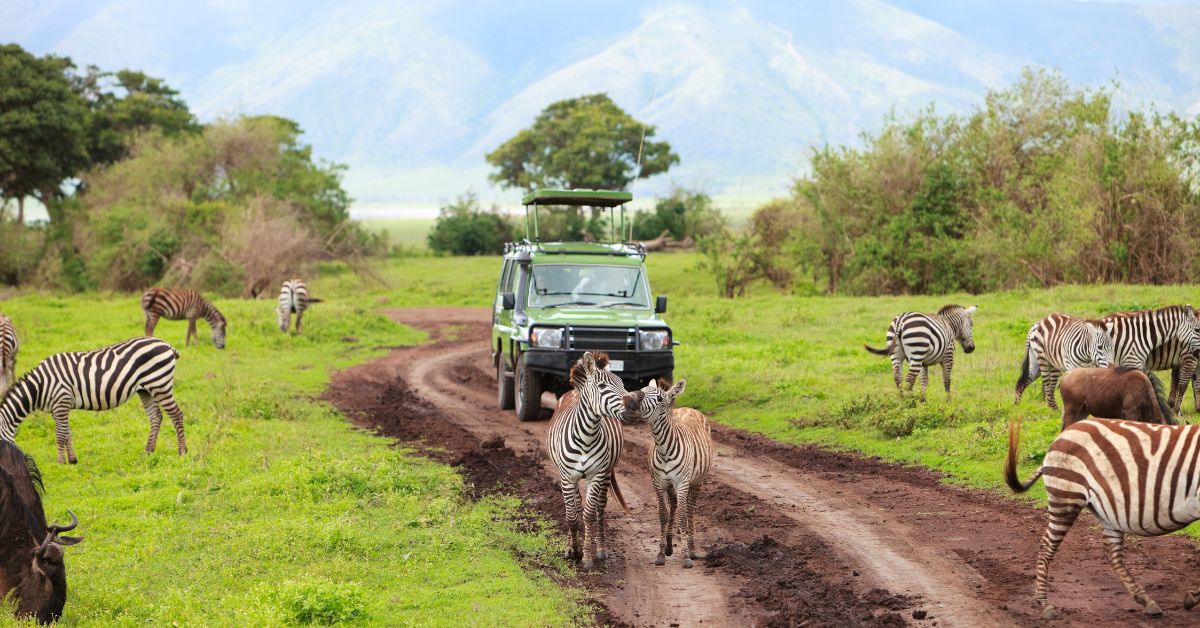 Safari photography for beginners may seem challenging, but with patience, practice, and preparation, anyone can capture amazing images. Focus on the right camera, lenses, and settings. Learn to use light, practice ethical behavior, and tell stories with your images. Joining guided tours like Knap Tours enhances your chances of creating memorable wildlife photography.
Remember, every trip is a learning opportunity. Keep experimenting, stay patient, and most importantly, enjoy the incredible wildlife moments that Africa offers.
Comment (0)