

Safari Booking Mistakes First-Time Travelers Make
Booking a safari is exciting for many travelers. At the same time, it can feel overwhelming when it is your first time. Dreams of open landscapes, wildlife sightings, and peaceful moments often fill the mind. However, small planning errors can quickly affect the whole experience. Because of this, understanding common safari booking mistakes is essential before making any decisions. When travelers know what to avoid, their journey becomes smoother, safer, and far more enjoyable.
Booking Too Late
One of the most common safari booking mistakes first-time travelers make is waiting too long to confirm their trip. Safaris are very different from city holidays, as lodges have limited rooms and game drive spots are often capped. As a result, popular destinations fill quickly, especially during peak seasons. When bookings are left until the last minute, travelers face higher prices, fewer choices, and less flexible travel routes. Planning six to twelve months ahead helps avoid this mistake and allows travelers to secure better value.
Choosing the Wrong Travel Season
 Another frequent mistake involves selecting the wrong season for a safari. Many travelers believe wildlife viewing is the same all year, yet this is rarely the case. Rainy seasons bring lush scenery, but animals spread out and become harder to spot. Dry seasons, on the other hand, often offer clearer viewing near water sources. Choosing the wrong time can therefore affect the overall experience. Careful research or expert advice helps travelers avoid this common safari mistake.
Price-Driven Decisions
Focusing only on price leads to many safari booking mistakes. While budget matters, the cheapest option often comes with hidden costs. Meals, park fees, or transfers may not be included. In some cases, vehicles are crowded or guides lack experience. Instead of looking only at cost, travelers should consider overall value. Operators such as Knap Tours focus on balanced safari experiences, combining comfort, safety, and fair pricing.
Not Understanding Safari Styles
Another mistake first-time travelers make is misunderstanding different safari styles. Some safaris are lodge-based, while others involve mobile camps. Certain trips focus on comfort, while others prioritize adventure and immersion. Group safaris are social and cost-effective, whereas private safaris offer flexibility and privacy. Choosing a style that does not match personal preferences often leads to disappointment. Understanding these differences helps travelers avoid this planning mistake.
Overpacking
Packing too much is a frequent safari mistake. Many first-time travelers bring large suitcases filled with unnecessary items. Safari flights often have strict luggage limits, and soft bags are usually required. Heavy clothing and bright colors are also impractical. Lightweight layers in neutral tones work best in safari environments. Packing smartly reduces stress and improves comfort throughout the journey.
Unrealistic Wildlife Expectations
Unrealistic expectations are another common safari mistake. Some travelers expect animals to appear constantly or assume every game drive will deliver dramatic sightings. In reality, wildlife moves freely and follows natural patterns. Quiet drives are part of the experience, and patience is essential. When expectations are realistic, travelers appreciate every sighting more deeply and enjoy the journey as a whole. For guidance on responsible wildlife interactions, official park rules can be found at SANParks, which is a trusted authority on conservation and park management in South Africa.
Ignoring Health Advice
Health and safety planning is often overlooked by first-time travelers. This leads to avoidable safari mistakes such as skipping vaccinations or malaria prevention when recommended. Some travelers also ignore travel insurance, assuming it is unnecessary. These choices can cause stress if health issues arise. Preparing early and following medical advice allows travelers to focus fully on their safari experience. For up-to-date health guidance, including vaccines and malaria prevention, the CDC Travelers’ Health site is an excellent resource.
Travel Document Errors
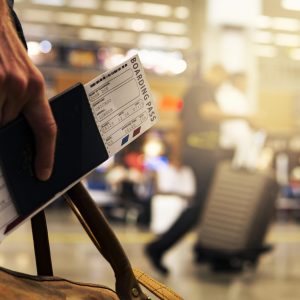 Problems with passports and visas are frequent safari booking mistakes. Passports may not meet validity requirements, or visa rules may be misunderstood. Some destinations require blank pages or visas arranged in advance. Arriving without correct documents can lead to delays or denied entry. Double-checking requirements early helps avoid these issues and ensures smooth travel.
Poor Lodge Choices
Choosing the wrong accommodation is another common safari mistake. Some lodges are far from wildlife areas, leading to long daily drives. Others lack basic comfort, affecting rest and energy levels. Carefully reviewing lodge locations and amenities helps travelers select accommodation that supports a better safari experience.
Underestimating Distances
Underestimating travel distances is a mistake many first-time safari travelers make. Africa may look small on a map, yet distances between destinations are vast. Trying to visit too many places in a short time causes fatigue and stress. Focusing on fewer destinations allows for a slower pace and deeper experiences.
Skipping Expert Help
Some travelers try to plan everything alone, which often leads to mistakes. Safari logistics involve complex timing, routing, and seasonal factors. Professional planners understand these details and help avoid costly errors. Working with experienced operators such as Knap Tours ensures smoother planning and a more enjoyable safari.
Cultural Awareness Gaps
Cultural misunderstandings can affect safari experiences. Arriving without learning about local customs or community values may lead to discomfort or miscommunication. Respectful behavior, inclusive language, and openness create positive interactions. Learning before arrival helps travelers avoid this common mistake and builds meaningful connections. Travelers can also read about responsible tourism and cultural practices at the UN Tourism Organization, which offers guidance on ethical travel worldwide.
Focusing Only on Photos
Photography is important, yet focusing only on photos can reduce enjoyment. Viewing wildlife constantly through a camera lens creates distance from the experience. Balancing photography with mindful observation allows travelers to appreciate sounds, movement, and atmosphere more fully.
Ignoring Weather Conditions
Weather affects safaris greatly, yet it is often underestimated. Cold mornings, hot afternoons, rain, and dust all influence comfort. Packing suitable layers and understanding seasonal conditions helps travelers avoid discomfort and stay prepared throughout the journey.
Not Asking Questions
Failing to ask questions is another common safari mistake. Some travelers assume details about schedules, activities, or fitness levels. Clear communication before and during the trip helps align expectations and prevents misunderstandings.
Food Planning Oversights
 Food-related mistakes occur when dietary needs are not communicated early. While safari meals are often excellent, allergies or preferences should always be shared in advance. Early communication ensures a comfortable and enjoyable dining experience.
Money Planning Errors
Currency and payment planning is often underestimated. Some safari areas rely on cash, while others accept cards. ATM access may be limited. Understanding payment methods beforehand helps travelers avoid unnecessary stress.
Overloaded Itineraries
Trying to fit too many activities into each day reduces enjoyment. Safaris benefit from slower pacing and rest periods. Leaving space for downtime enhances focus and appreciation during game drives.
Misunderstanding the Guide’s Role
Safari guides are educators, safety leaders, and wildlife experts. Misunderstanding their role can affect the experience. Respecting their guidance and trusting their knowledge enhances learning and safety.
Ignoring Sustainability
Sustainability is an important part of modern safari travel. Ignoring it can negatively affect wildlife and local communities. Choosing responsible operators supports conservation and ethical tourism. Travelers can learn more about sustainable tourism practices at the UN Tourism Organization.
Expecting City Luxury
Safari luxury differs from city luxury. Power may be limited, and internet access may be slow. Comfort comes from service, setting, and experience rather than modern conveniences. Accepting this difference improves satisfaction.
Forgetting Recovery Time After Safari
Many travelers forget to plan rest time after a safari. Moving straight into busy schedules can feel overwhelming. Allowing time to reflect helps travelers fully process and appreciate the journey.
Final Thoughts on Avoiding Safari Booking Mistakes
Safari travel is deeply rewarding, yet careful planning is essential. Most safari booking mistakes are avoidable with research, realistic expectations, and expert guidance. When travelers understand what to avoid, their safari becomes smoother and more fulfilling. With thoughtful preparation and trusted operators like Knap Tours, first-time travelers can enjoy a meaningful safari experience that stays with them long after the journey ends.


Comment (0)