15-Day Southern Africa Adventure Overview
Experience an authentic 15-Day Southern Africa Adventure, carefully operated by Knap Tours. This journey takes you across Namibia, Botswana, and Zimbabwe, combining wildlife, culture, and iconic natural wonders into one seamless safari experience. It is designed for travelers who want variety, comfort, and expert-guided exploration across multiple countries.
Big Five Wildlife Encounters
During your 15-Day Southern Africa Adventure, you enjoy unforgettable game drives in world-famous reserves such as Kruger, Chobe, and Etosha National Park. Expert local guides lead each safari, helping you spot the Big Five—lion, elephant, leopard, rhino, and buffalo. In addition, you encounter giraffes, zebras, antelope species, and rich birdlife. Each park offers a different landscape, which keeps every game drive fresh and exciting.
Okavango Delta Exploration
You also explore the Okavango Delta, one of the most unique ecosystems in Africa. Here, you glide through narrow waterways by mokoro canoe and boat. This peaceful experience brings you close to birds, hippos, and other wildlife. As a result, the Delta adds a calm and scenic contrast to your safari journey.
Victoria Falls and Cultural Highlights
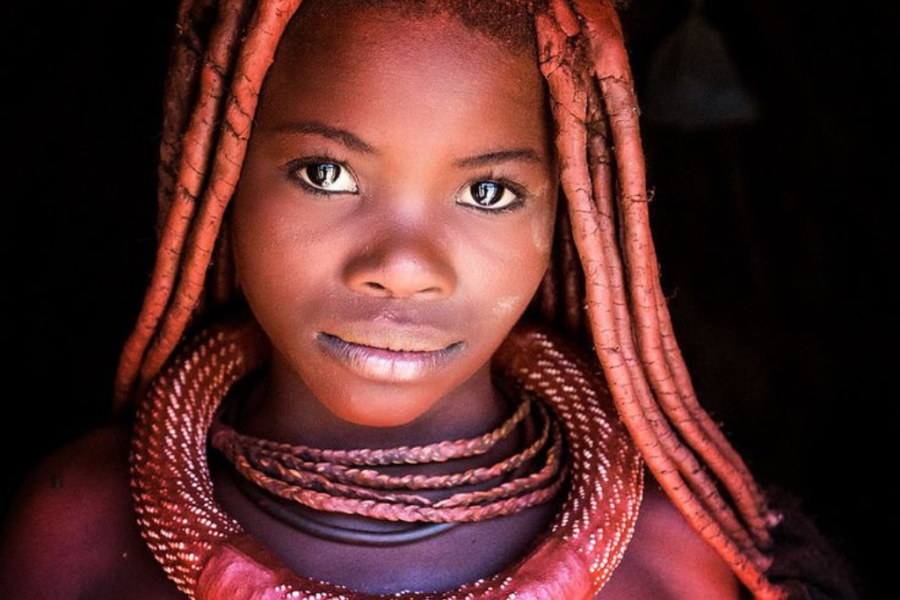
The itinerary includes a visit to Victoria Falls, one of the world’s greatest natural wonders. You explore viewpoints and enjoy the powerful sight and sound of the falls. In addition, you discover local communities and cultural traditions along the route, gaining deeper insight into Southern Africa’s people and heritage.
Comfortable Accommodation and Travel
Throughout the 15-Day Southern Africa Adventure, you stay in comfortable lodges and camps. Each location offers relaxation after full days of exploration. Moreover, expert guides ensure smooth travel, safety, and informative experiences throughout the journey.
A Complete Southern Africa Safari
Overall, this adventure combines wildlife, landscapes, and culture into one unforgettable multi-country safari experience.