

Hoedspruit Endangered Species Centre: Ethical Wildlife Tourism
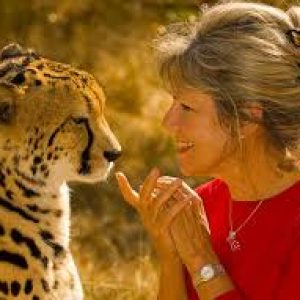 Ethical wildlife tourism places care, respect, and responsibility at its core. It protects animals while helping people understand their role in conservation. In South Africa, the Hoedspruit Endangered Species Centre demonstrates this approach clearly. The centre focuses on awareness and protection rather than entertainment. Visitors gain understanding, not staged experiences.
This blog explains what makes the Hoedspruit Endangered Species Centre important. It shows how ethical wildlife tourism works in practice and why it matters today. Travelers who value responsible experiences often include places like this when planning with Knap Tours.
Understanding Ethical Wildlife Tourism
Ethical wildlife tourism puts animal well-being first. It avoids activities that cause stress, harm, or control. Instead, it supports conservation, rehabilitation, and education. This approach values long-term protection over short-term excitement.
Clear boundaries guide ethical tourism. Animals live as animals, not attractions. They follow natural behaviors that people must respect. Because of this, ethical experiences often feel quieter and slower. However, they create deeper impact. Visitors who choose ethical tourism actively support conservation efforts. For a wider view of responsible travel standards, the Global Sustainable Tourism Council explains ethical tourism principles clearly:
The Role of Hoedspruit Endangered Species Centre
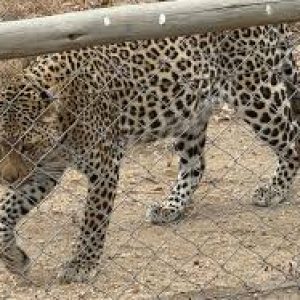 The Hoedspruit Endangered Species Centre operates with a clear and honest mission. The team focuses on conserving vulnerable and threatened animals, especially those affected by human activity. These animals include those injured, orphaned, or displaced by habitat loss or conflict.
The centre does not operate as a zoo. It does not breed animals for display. Instead, it runs as a rehabilitation and education facility. Staff prepare some animals for release into protected environments. When release is not possible, the centre provides long-term care. This transparency helps visitors understand real conservation challenges. For global context on threatened species, the International Union for Conservation of Nature offers reliable information.
Conservation Over Entertainment
The Hoedspruit Endangered Species Centre refuses to turn animals into attractions. The team offers no shows, performances, or staged encounters. Visitors observe animals from a respectful distance, which reduces stress and supports natural behavior.
Guides explain each animal’s story clearly and honestly. These stories highlight the effects of habitat loss, illegal trade, and human-wildlife conflict. Visitors leave with awareness rather than surface-level memories. This approach reinforces respect and responsibility.
Education as a Central Focus
Education drives every visit to the centre. Guides explain conservation in clear, accessible language. They show how wildlife protection works and why it matters. They also connect conservation challenges to everyday human choices.
Visitors ask questions freely. Guides encourage discussion and reflection. This open exchange helps people understand their role in ethical tourism. Knowledge becomes an active tool for change, not passive information.
Rehabilitation and Animal Care
Animals arrive at the Hoedspruit Endangered Species Centre under many circumstances. Some need medical care. Others need long-term support after losing their natural habitat. Each case requires patience and attention.
Care teams focus on health, safety, and minimal human interaction. They protect natural behaviors whenever possible. When animals cannot return to protected environments, the team prioritizes quality of life and long-term well-being. The centre communicates these outcomes openly, which strengthens trust.
Why Distance Matters in Ethical Tourism
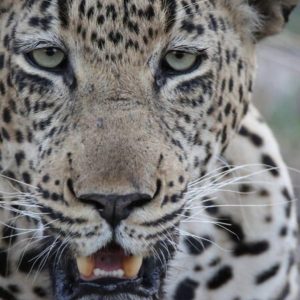 Ethical wildlife tourism relies on respectful distance. At the Hoedspruit Endangered Species Centre, distance protects animals from stress and reinforces their independence.
Visitors do not touch or feed animals. Instead, they observe calmly. This approach keeps animals relaxed and behavior natural. It also helps visitors understand that wildlife does not exist for human control. Respect becomes part of the experience.
Community and Conservation Partnerships
The Hoedspruit Endangered Species Centre works closely with local communities and conservation partners. These partnerships strengthen long-term conservation outcomes. They also support shared responsibility.
Community involvement plays a vital role. Education programs and employment opportunities help people connect conservation with everyday life. When communities benefit, conservation becomes sustainable. Knap Tours values these partnerships and highlights them when guiding travelers toward responsible safari choices.
The Visitor’s Role in Ethical Wildlife Tourism
Visitors influence ethical wildlife tourism through their choices. Selecting responsible centres helps shift demand away from harmful practices. Behavior during visits also matters.
At the Hoedspruit Endangered Species Centre, visitors follow clear guidelines and listen carefully to guides. Respectful actions directly support animal welfare. Ethical tourism works best when everyone participates. World Animal Protection offers further guidance on ethical wildlife experiences worldwide.
A Thoughtful Wildlife Experience
A visit to the Hoedspruit Endangered Species Centre feels calm and reflective. The experience focuses on learning rather than excitement. The pace allows time to observe and understand.
This approach creates space for empathy. Many visitors leave with a stronger awareness of conservation challenges and a deeper respect for wildlife. The centre offers perspective instead of spectacle.
Why Ethical Wildlife Tourism Matters
Wildlife faces growing pressure from development, climate change, and human activity. Ethical wildlife tourism offers a way to support conservation while maintaining meaningful connection.
Centres like Hoedspruit show what responsible tourism looks like in practice. Choosing these experiences sends a clear message. Care matters more than convenience. Travelers who plan safaris with intention often include ethical conservation visits through Knap Tours to create balanced and responsible journeys.
Final Thoughts on Hoedspruit Endangered Species Centre
The Hoedspruit Endangered Species Centre shows how wildlife tourism can respect animals, educate visitors, and support communities. Ethics guide every decision. Education shapes every visit. Conservation remains the priority.
In a world where many wildlife experiences focus on entertainment, this approach stands apart. Ethical wildlife tourism builds connection without harm. That commitment makes it meaningful and worth supporting.
Comment (0)