

Southern Africa is home to some of the most breathtaking wildlife destinations in the world. Among the best are Kruger National Park, Chobe National Park, and Etosha National Park. Each offers unique experiences, landscapes, and opportunities for adventure.
In this blog, we compare these three parks to help you choose your perfect safari destination.
Location and Accessibility
Kruger National Park: Easy to Reach
Kruger National Park is in northeastern South Africa. It’s very accessible, especially from Johannesburg. You can fly directly to nearby airports or take a scenic road trip. Many visitors appreciate how easy it is to plan a trip here.
Chobe National Park: Northern Gem of Botswana
In contrast, Chobe National Park lies in northern Botswana. It borders Namibia and is close to the Victoria Falls. Because of this, many travellers visit Chobe as part of a multi-country tour. Flights to Kasane Airport make access easier than before.
Etosha National Park: Namibia’s Wildlife Jewel
Meanwhile, Etosha National Park is located in northern Namibia. Although a bit more remote, the park is reachable via well-maintained roads. You can also fly into Windhoek and drive or connect via local flights.
Wildlife Diversity and Viewing
Kruger National Park: The Big Five and Beyond
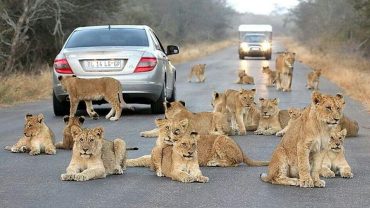
Kruger National Park is famous for its incredible biodiversity. You can see the Big Five (lion, leopard, elephant, rhino, buffalo) along with 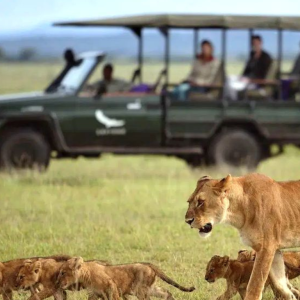 cheetahs, wild dogs, and hundreds of bird species. Thanks to the excellent road network, wildlife viewing is accessible and safe for self-drives.
Additionally, Kruger offers both open savanna and dense bush, creating a mix of habitats for various animals.
Chobe National Park: Elephant Capital of the World
Chobe National Park is well-known for its massive herds of elephants—possibly the largest in Afric
a. Moreover, you’ll spot hippos, crocodiles, buffalo, and lions along the Chobe River. Birdlife is also rich, especially during the wet season.
What sets Chobe apart is the boat safari. Unlike Kruger or Etosha, you can cruise the river and view animals from the water. This offers a fresh perspective and incredible photo opportunities.
Etosha National Park: Salt Pan Spectacle
Etosha National Park is different in many ways. The heart of the park is a giant salt pan, visible even fr
om space. During the dry season, wildlife congregates around waterholes, making it easy to observe large numbers of animals in one spot.
Etosha is excellent for spotting oryx, giraffes, zebras, lions, and black rhinos. It’s also one of the best places
in Africa to see cheetahs in the wild.
Safari Experience and Activities
Kruger National Park: Versatile and Visitor-Friendly
Kruger National Park offers everything from luxury lodges to budget camping. Visitors can choose between guided safaris or self-drive adventures. Many private reserves border Kruger, providing exclusive experiences with fewer vehicles.
Because of this flexibility, 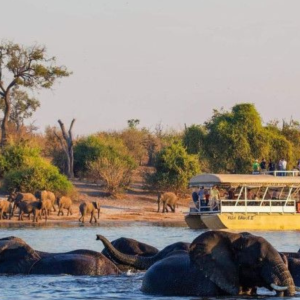 Kruger is ideal for first-time safari-goers and seasoned travellers alike.
Chobe National Park: Water Meets Wilderness
In Chobe National
Park, the mix of land and river safaris adds depth to the experience. Game drives are popular, but the river cruise is the real star. You can watch elephants swim, buffalo graze, and birds swoop overhead.
However, Chobe can get crowded near Kasane. For a quieter visit, head deeper into the park or travel in the off-season.
Etosha National Park: Waterhole Wonders
Safari in Etosha National Park often means waiting by waterholes. This slow, calm sty
le is perfect for photography and observation. Nighttime waterholes
near rest camps are lit, allowing for rare views of nocturnal wildlife.
Although guided tours are available, most people explore Etosha by self-driving. The park is safe, well-
marked, and visitor-friendly.
Best Time to Visit
Kruger National Park: All-Year Destination
Kruger National Park is open year-round. Yet, the best time to visit is during the dry season (May to September). Animals gather around water sources, and the bush is less dense, making it easier to spot wildlife.
Still, summer (October to April) offers lush scenery and excellent birdwatching.
Chobe National Park: Dry Season Delights
For Chobe National Park, the dry months (May to October) are also ideal. River levels drop, and animals gather near the Chobe River. The skies are clear, and temperatures are pleasant.
However, if you love birding or dramatic landscapes, the green season (November to March) is also worth considering.
Etosha National Park: Dry Season Brilliance
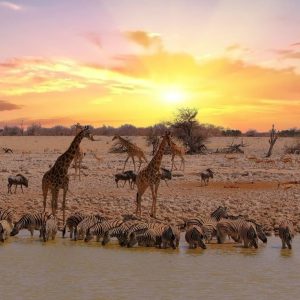
Etosha National Park shines during the dry season (June to October). Wildlife viewing is at its peak because animals come to the waterholes. This is also the best time for clear skies and cooler temperatures.
Rainy months bring fewer visitors and lower prices, but wildlife becomes harder to spot.
Accommodation Options
Kruger National Park: Wide Range of Stays
Kruger National Park offers the most accommodation choices. From luxury lodges and eco-friendly camps to budget bungalows and campsites—there’s something for every traveller.
Many private reserves, such as Sabi Sand and Timbavati, offer all-inclusive luxury stays with expert guides.
Chobe National Park: Riverfront Retreats
Lodges along the riverfront in Chobe National Park range from basic to high-end. Most include game drives and river cruises in the package. You’ll also find campsites within and near the park for self-drive guests.
Kasane town has additional hotels and guesthouses for more flexibility.
Etosha National Park: Classic and Comfortable
Inside Etosha National Park, several rest camps offer lodging, restaurants, and shops. Each camp has a nearby waterhole. Outside the park gates, you’ll find lodges and camps for every budget.
Booking early is important, especially during high season.
Conservation and Community Involvement
Kruger National Park: Strong Legacy
Kruger National Park has a long history of conservation. It’s part of the Greater Limpopo Transfrontier Park, linking it to Mozambique and Zimbabwe. Various community programs support local employment, education, and tourism training.
Because of its size and popularity, Kruger also faces challenges with poaching and over-tourism. However, continuous efforts are being made to protect its wildlife and ecosystems.
Chobe National Park: Balancing Nature and Needs
In Chobe National Park, conservation goes hand-in-hand with community support. Many lodges work with local people, offering jobs and cultural exchanges. Anti-poaching units and eco-tourism practices also play a big role in preserving the area’s natural beauty.
Etosha National Park: A Namibian Success
Etosha National Park is a major part of Namibia’s conservation success. The government and local communities work together to protect wildlife while welcoming visitors. Community-based tourism projects help create income and awareness.
Etosha is also known for its strong stance on wildlife protection, especially endangered species like the black rhino.
Budget and Travel Style
Kruger National Park: For Every Budget
From backpackers to luxury travellers, Kruger National Park fits every budget. Entrance fees are reasonable, and self-drive options help reduce costs. On the other hand, high-end lodges offer gourmet meals and private game vehicles for those who want more comfort.
Chobe National Park: Mid to High Range
Chobe National Park leans slightly toward mid to high-end travel. Park fees and activity costs can add up. However, if you book packages that include meals and safaris, it often balances out.
Backpackers may find limited budget lodging, but camping remains a good choice.
Etosha National Park: Affordable and Rewarding
Etosha National Park is generally very affordable. Entrance fees are low, and rest camps are budget-friendly. Even high-end lodges outside the park offer good value compared to other African destinations.
Self-driving cuts transport costs, making Etosha a great option for longer stays.
Final Thoughts: Which Park Is Right for You?
Choosing between Kruger National Park, Chobe National Park, and Etosha National Park depends on your travel style, budget, and interests.
-
Pick Kruger if you want variety, flexibility, and a high chance of seeing the Big Five.
-
Choose Chobe for unique river safaris and massive elephant herds.
-
Go for Etosha if you love dramatic landscapes, solitude, and great wildlife near waterholes.
Whichever park you choose, you’re in for an unforgettable safari. All three offer rich wildlife, beautiful scenery, and meaningful connections with nature and local communities.
So, where will your next African adventure take you?
Comment (0)