

Best African Safari for North American Travelers
 For many people, an African safari feels like a dream worth waiting for. At the same time, the distance and planning involved can feel intimidating, especially for North American travelers. Long flights, time changes, and unfamiliar destinations raise important questions. Fortunately, with the right approach, an African safari becomes both comfortable and deeply rewarding.
Rather than focusing only on wildlife, the best safari experience balances ease, pacing, and thoughtful planning. When these elements come together, the journey feels smooth from start to finish. This guide explains what makes the best African safari for North American travelers and how to choose an experience that feels exciting, manageable, and meaningful.
What North American Travelers Often Prioritize
North American travelers usually value comfort, clarity, and reliability when planning long-distance trips. Because travel time is significant, every day on safari needs to feel worthwhile. Many travelers want rich wildlife experiences without feeling rushed or exhausted.
In addition, safety and communication play an important role. Clear plans and responsive support create confidence. Cultural understanding also matters, especially for travelers who want respectful and informative experiences.
For these reasons, the best safari combines strong wildlife viewing with simple logistics. When planning stays focused and organized, travelers can relax and fully enjoy the journey.
For this reason, many North American travelers choose to work with specialists like Knap Tours, where clear communication and careful planning help reduce uncertainty from the very beginning.
Why Africa Continues to Be the Top Safari Choice
Africa remains the leading safari destination for a reason. Vast landscapes support diverse wildlife, allowing animals to move freely in protected environments. As a result, sightings feel natural rather than staged.
Beyond wildlife, Africa offers depth and contrast. Open plains, river systems, deserts, and forests create varied scenery. Because of this diversity, no two safari days feel the same.
Equally important, many safari regions have decades of experience welcoming international travelers. This experience shows in guiding standards, conservation efforts, and accommodation quality. Consequently, North American travelers benefit from well-developed systems without losing authenticity.
Best Safari Regions for North American Travelers
Not all safari regions suit long-haul travelers equally. Some areas offer easier access, smoother travel routes, and stronger infrastructure. These factors matter when travel time is limited.
East Africa, including Kenya and Tanzania, delivers classic safari imagery. Wide plains support excellent wildlife visibility, while seasonal migrations add scale and drama.
Meanwhile, Southern Africa offers variety and flexibility. Countries such as South Africa, Botswana, and Namibia combine strong conservation with diverse safari styles. Because of this, travelers can match destinations to personal preferences more easily.
To explore how geography, ecosystems, and species differ across the continent, guides to African safari regions and wildlife provide helpful context when choosing the right destination:
Why Southern Africa Works Especially Well
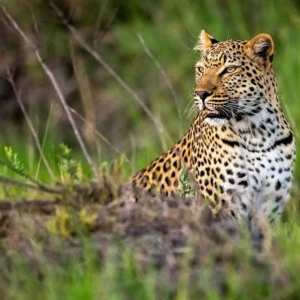 For many North American travelers, Southern Africa offers the most balanced safari experience. Flight connections are reliable, and travel logistics feel manageable. In addition, safari regions often provide excellent comfort without sacrificing authenticity.
South Africa stands out for first-time safari travelers. English is widely spoken, private reserves offer outstanding wildlife viewing, and medical infrastructure is strong. As a result, travelers feel confident and supported.
Botswana attracts travelers seeking exclusivity and pristine environments. Carefully managed tourism keeps wildlife areas uncrowded. Namibia, on the other hand, appeals to those drawn to dramatic landscapes and quieter experiences.
Together, these options allow travelers to choose a safari style that fits their needs.
Comfort and Accommodation After Long Flights
After crossing time zones, comfort becomes more than a luxury. It becomes essential. The best African safaris for North American travelers include accommodations designed for rest and recovery.
Rather than focusing on excess, good lodges prioritize thoughtful details. Comfortable beds, quality meals, and peaceful surroundings make a real difference. At the same time, open designs and natural settings keep travelers connected to the landscape.
Because comfort supports energy levels, it directly improves the safari experience. Well-rested travelers enjoy wildlife encounters more fully and stay engaged throughout the journey.
Wildlife Viewing Without Feeling Rushed
A successful safari leaves room to breathe. Instead of filling every day with activity, strong itineraries focus on balance. This approach suits North American travelers who value quality over quantity.
Longer stays in fewer locations often work best. Reduced travel time allows more meaningful wildlife encounters. In addition, flexible scheduling gives guides room to adapt to conditions and interests.
When travelers can linger at a sighting or return early for rest, the experience feels personal rather than programmed.
The Importance of Skilled Guides
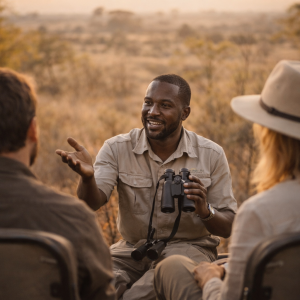 Guides shape the safari experience in powerful ways. Through knowledge and awareness, they turn wildlife sightings into meaningful stories. Their understanding of animal behavior adds depth to every moment.
Equally important, experienced guides create a sense of safety. Clear communication builds trust and allows travelers to relax. Because of this, travelers stay present rather than anxious.
The best safaris match travelers with guides who enjoy sharing insight and answering questions. That connection often becomes one of the most memorable parts of the journey.
Managing Travel Time and Routing
Long-distance travel requires smart planning. Well-timed flights reduce fatigue and improve arrival experiences. In some cases, overnight stops help travelers adjust to time changes gradually.
Once in Africa, short transfers matter even more. Light aircraft flights often replace long road journeys, especially in remote areas. This saves energy and protects valuable safari time.
Careful routing keeps the journey flowing smoothly. When movement feels intentional rather than constant, travelers stay energized and engaged.
Safety and Peace of Mind
Safety remains a top priority for North American travelers. Fortunately, established safari regions maintain strong safety standards. Lodges train staff carefully, and guides follow clear protocols.
Beyond physical safety, emotional reassurance matters too. Clear communication and responsive support create confidence. Knowing help is available if plans change allows travelers to relax.
With the right planning, safety becomes part of the background rather than a constant concern.
In addition, official guidance on planning long-distance travel to Africa can help North American travelers feel prepared and informed before departure
Ethical and Responsible Safari Experiences
Many North American travelers care deeply about ethical travel. The best African safaris reflect these values by supporting conservation and community involvement.
For travelers who want to understand this approach more deeply, resources on responsible wildlife tourism in Africa help explain why animal welfare and conservation must come before entertainment.
Responsible safaris protect habitats, respect wildlife behavior, and avoid harmful practices. In addition, they support local economies through employment and education.
When travelers choose ethical experiences, they contribute to long-term conservation. This shared responsibility adds meaning to every sighting and every stay.
Choosing the Right Time to Go
Timing shapes the safari experience in important ways. Dry seasons often provide excellent wildlife viewing, as animals gather near water sources. However, these periods may attract more visitors.
Green seasons offer quieter landscapes and fewer crowds. Wildlife remains present, and scenery feels lush. For some travelers, this balance feels ideal.
Ultimately, the best timing depends on priorities. Clear guidance helps travelers align expectations with seasonal conditions.
Why Custom Planning Makes a Difference
No two travelers approach safari with the same goals. Custom planning allows journeys to reflect personal interests, pace, and comfort levels.
Some travelers focus on photography. Others prioritize family travel or milestone celebrations. With tailored planning, these goals become achievable rather than compromised.
Knap Tours creates customized African safaris for North American travelers by focusing on smooth logistics, thoughtful pacing, and meaningful experiences that feel personal from start to finish.
Combining Safari With Other Experiences
Many travelers choose to pair safari with other destinations. Cape Town, Victoria Falls, or coastal stays add contrast and variety.
These additions also help break up long travel distances. As a result, the overall journey feels balanced rather than intense.
When planned well, combined itineraries enhance rather than distract from the safari experience.
What Truly Defines the Best Safari
The best African safari does not rely on luxury alone. Instead, it succeeds through balance, intention, and care. Strong wildlife encounters matter, but so does how travelers feel each day.
When comfort, pacing, and support align, the experience feels effortless. Memories form naturally, without pressure or rush.
Knap Tours focuses on these details, helping North American travelers experience Africa in ways that feel accessible, respectful, and deeply rewarding.
Final Thoughts on the Best African Safari
The best African safari for North American travelers offers clarity, comfort, and connection. It respects time, energy, and curiosity. With thoughtful planning, distance fades and confidence grows.
Rather than feeling overwhelming, Africa feels welcoming. Each day unfolds with purpose and flexibility. In the end, a well-planned safari becomes more than a trip.
It becomes a story that stays vivid long after the journey ends.

Comment (0)