

Do You Need Malaria Tablets? A Quick Guide by Region (Southern Africa Edition)
Travelling through Southern Africa is exciting. Yet many visitors still ask the same question: Do I need Malaria tablets? The answer depends on the country, the season, and the exact route you choose. Because each region is unique, understanding local Malaria patterns helps you stay safe. Knap Tours also encourages travelers to learn about prevention before their safari or multi-country trip.
Before looking at each destination, it helps to know what Malaria is. It is an illness passed on through bites from infected mosquitoes. These mosquitoes usually bite at night. While the risk varies across Southern Africa, the illness remains serious. Therefore, prevention is key for all travelers.
Understanding Malaria in Southern Africa

Malaria remains present in several parts of Southern Africa. The risk is higher in warm, wet regions where mosquitoes breed easily. Many communities live close to rivers and floodplains, which can increase mosquito activity. However, large city centres have stronger control measures and often have little to no Malaria transmission.
Even though some places are low-risk, travelers still benefit from clear guidance. Knap Tours always advises guests to check local health updates before finalizing their itinerary. Weather patterns can influence levels as well. A wetter season often means more breeding areas for mosquitoes.
Do You Need Malaria Tablets in Southern Africa?
Your need for Malaria tablets depends on your destination within Southern Africa. Some areas are high-risk year-round. Other places have seasonal risk. Several popular cities have no risk at all. Because travellers often combine cities with safari destinations, knowing the difference matters.
Although tablets may feel like an extra burden, many options are easy to use. Some tablets are taken daily. Others are taken weekly. You should choose what fits your health needs and trip length. A travel clinic can help you pick the best option.
Below is a complete regional guide to help you understand where Malaria is found in Southern Africa and when you may need tablets.
Country-by-Country Malaria Guide for Southern Africa
Namibia
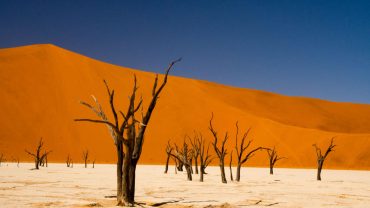
Namibia has different Malaria zones. The south, including places like Lüderitz and Keetmanshoop, has no Malaria risk. Windhoek, Sossusvlei, and Swakopmund are also considered free of risk. Because these areas are dry, mosquitoes struggle to breed.
Northern Namibia is different. Regions such as Zambezi, Kavango East, Kavango West, Ohangwena, and parts of Oshikoto have seasonal or yearly Malaria risk. Rainy months increase mosquito activity. Travellers going to Etosha National Park often want to know whether they need tablets. Etosha’s risk level changes by season, but the northern approach roads lie near higher-risk communities. Consequently, many travellers visiting northern Namibia choose to take Malaria tablets.
Since Knap Tours offers trips that include Etosha and the Zambezi region, the team usually recommends checking your travel dates and taking prevention seriously.
Botswana
Botswana is famous for its wildlife, especially in the Okavango Delta. It is also a country where Malaria exists in several regions. The rainy season, usually from November to April, brings higher mosquito activity.
The Okavango Delta, Chobe National Park, and Moremi Game Reserve have medium to high seasonal risk. Floodplains and waterways create ideal mosquito habitats. Because travellers spend a lot of time outdoors on safari, prevention is important here.
Southern Botswana, including Gaborone, has low Malaria risk. Many travellers arrive in Gaborone first before heading north to wildlife areas. Although the south is low-risk, the journey north usually requires more care. For this reason, most visitors include Malaria tablets in their packing plan when exploring Botswana’s safari zones.
Knap Tours often includes the Okavango Delta and Chobe in multi-country itineraries, so discussing prevention early makes planning easier.
Zimbabwe
Zimbabwe has a mix of Malaria zones. Victoria Falls is one of the most visited places in Southern Africa, and it has seasonal Malaria risk. Because it sits near the Zambezi River, mosquito activity increases after rain. Many travellers visit Victoria Falls at sunrise or sunset, which are peak mosquito hours.
Harare has low Malaria risk. Bulawayo also has minimal risk in most seasons. However, travellers moving from these cities to areas like Hwange National Park or Mana Pools enter higher-risk zones. Since most visitors combine waterfall activities with wildlife safaris, tablets are commonly advised.
Zimbabwe’s warm lowland regions, especially near rivers and parks, experience more mosquito breeding. As a result, even short stays in these areas may require tablets.
South Africa
South Africa has limited Malaria zones. Many travellers feel relieved when they learn that cities like Cape Town, Johannesburg, Durban, Pretoria, and Port Elizabeth have no Malaria risk. These major cities have cooler climates or strong control measures.
However, some parts of South Africa still have seasonal Malaria. The Kruger National Park region, including the surrounding communities and private reserves, has risk from September to May. Rain and warm temperatures support mosquito breeding during these months. Because Kruger is the most visited wildlife destination in the country, many visitors choose Malaria tablets for peace of mind.
Northern KwaZulu-Natal, including areas near Tembe Elephant Park and Ndumo, also has seasonal risk. Travellers heading to these coastal or lowland regions may require tablets depending on the season.
When Do You Need Malaria Tablets in Southern Africa?
Travellers need tablets when visiting high or medium-risk regions, especially during rainy seasons. If your trip includes the Okavango Delta, Chobe, Victoria Falls, Hwange, South Luangwa, the Zambezi region of Namibia, or Mozambique’s beaches, tablets are recommended.
Many travellers choose a combination of destinations. Because of this, risk levels often change within one itinerary. Knap Tours designs routes that help guests understand when they enter different Malaria zones.
Although some people may feel unsure about tablets, modern options are simple. Daily or weekly tablets are available. You can choose based on your health needs, allergies, and travel length.
Tips for Preventing Malaria in Southern Africa
Even though tablets help, they are only part of prevention. Practical steps also reduce Malaria risk:
-
Use mosquito repellent in the evening.
-
Wear long sleeves at night.
-
Sleep under a net in rural areas.
-
Stay in rooms with screens or air-conditioning.
-
Keep windows closed during peak mosquito times.
These small habits help you enjoy your safari without stress.
Who Needs Malaria Tablets?
Most travellers visiting high-risk destinations will need tablets. Children, older adults, and pregnant people may need special guidance. Travel clinics can help check doses or recommend safer options.
Because individual health conditions vary, getting personalised advice is helpful. Tablets also have different start and end dates. Some must be started one or two days before entering a Malaria zone. Others must be continued for a week after leaving.
Final Thoughts
Southern Africa offers incredible wildlife, culture, and scenery. Many regions are low-risk for Malaria, yet several popular safari areas have ongoing or seasonal transmission. By understanding where Malaria is present, travellers can make informed decisions.
Comment (0)