

Discovering Cultural Village Tours in Namibia and Botswana
Exploring a cultural village in Namibia or Botswana offers more than a quick look into daily life. It becomes a meaningful way to meet communities, learn traditions, and understand how people stay connected to their land. Although most visitors arrive eager to see wildlife, many later say that a village experience became the most memorable part of their trip. This guide shows you what to expect, where to go, and how to travel respectfully while supporting local communities.
Why a Village Tour Matters
A cultural village visit opens doors to real stories. Because these tours are often led by community members, they offer honest insight into lifestyles shaped by environment, values, and shared history. Moreover, they help preserve traditions that could otherwise fade. As interest grows, community-led tours also create income for families without changing their way of life.
Another reason these tours matter is the human connection. Even though languages differ, smiles, food, music, and gestures bridge gaps. When travellers listen, people feel seen. When people feel seen, they share more. Consequently, both sides gain understanding.
Choosing a responsible tour operator — such as Knap Tours — can make the experience meaningful for visitors and beneficial for villagers. Operators who work directly with communities help keep the tours respectful and sustainable.
Village Tours in Namibia
Namibia is known for huge landscapes, yet communities give the country its heart. Because many regions still follow long-standing practices, cultural village tours remain one of the best ways to understand life in the desert, savanna, and river regions.
Himba-Style Village (Northern Namibia)

In the northern areas, a Himba-style village visit gives travellers a warm welcome. Families introduce you to their way of living, which includes crafting, herding, and preparing everyday meals. Though modern life influences many parts of Namibia, these communities keep certain traditions alive with pride.
Visitors may see how homes are built from natural materials. Later, you might watch elders demonstrate traditional ointments made from herbs and ochre. Afterward, families often share details about their clothing, hairstyles, and jewellery, each carrying cultural meaning. Because you are learning directly from the community, the experience stays authentic rather than staged.
Owambo & Herero Cultural Village (Central Namibia)
In central Namibia, some communities operate cultural village centres that celebrate local languages, crafts, and stories. When you arrive, you are greeted with calm warmth. Soon after, you might be invited to watch how baskets are woven or how clothing styles represent identity. Although many families move between rural and urban life, their cultural foundation stays strong.
These village visits also highlight farming traditions. Cattle, goats, and crops shape daily life. Through conversations, you discover how families adapt to climate changes and market needs while preserving cultural values. Because you hear the stories directly, the information becomes richer than any textbook version.
Caprivi / Zambezi Region Village Experience
The northeastern corner of Namibia feels like another world. Water defines everything. People fish in rivers, gather reeds, and build homes elevated from seasonal floods. A village visit in this region often includes traditional music, shared meals, and demonstrations of fishing or weaving.
Travellers enjoy boat rides before meeting the community, which sets a peaceful tone. Since the region relies heavily on natural cycles, many conversations touch on river life, wildlife interactions, and seasonal rhythms. Due to this connection between people and environment, the visit feels harmonious and grounding.
Village Tours in Botswana
Botswana is famous for the Okavango Delta and wildlife reserves, yet its cultural richness deserves equal attention. Because most communities maintain close ties to land and water, cultural village tours reveal a balanced lifestyle shaped by nature.
Okavango Delta-Side Village
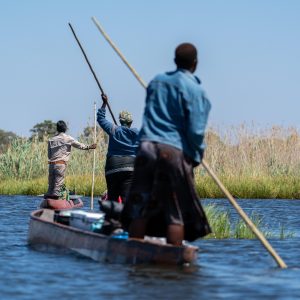 Staying close to the Okavango Delta allows travellers to meet communities surrounded by water channels, reed beds, and wildlife corridors. Your village guide may take you on a mokoro (traditional canoe) ride before reaching the community. This slow journey sets the pace for a thoughtful visit.
Once in the village, you may see how palm leaves become woven baskets, how fishing tools are crafted, or how food is prepared on simple fires. Because the community depends on seasonal floods, discussions often focus on water levels, wildlife movements, and how families adapt from year to year.
The experience is gentle yet meaningful. Many travellers say this type of village visit offers a deeper emotional connection than expected.
Makgadikgadi Salt Pans Village
Botswana’s salt pans stretch across wide, pale surfaces. Yet near these dry flats, communities create warm and lively settlements. A village tour in this region introduces you to families who herd cattle, grow small gardens, and share stories shaped by harsh conditions.
Visitors often enjoy simple meals, demonstrations of food preservation, and explanations of how people endure both dusty winds and seasonal rains. Because the region demands resilience, village stories highlight strength, cooperation, and creativity.
Chobe River Village Experience
Along the Chobe River, several communities balance daily life with the presence of wildlife. Elephants, buffalo, and antelope move near the river frequently. Still, villagers continue their routines with care and respect for the ecosystem.
During a village tour you might watch how fish are dried, how goats are herded, or how local vegetables are grown. Because water plays a vital role here, people speak openly about river safety and environmental changes. The combination of wildlife and village life makes this experience unique.
How to Choose the Right Village Tour
With many options available, choosing the right village tour requires a bit of thought.
Favour Community-Led Experiences
The most responsible tours are created and led by the community itself. When you choose these, families earn income directly, decisions stay local, and cultural expression remains authentic. Operators such as Knap Tours often prioritise community-led options to ensure ethical and respectful tourism.
Ask About Fair Benefits
Before booking, ask who receives the payment. When communities benefit fairly, they can invest in education, farming, building improvements, and cultural preservation. Responsible tourism works only when everyone gains something meaningful.
Avoid Over-Commercialised Stops
Some village tours feel rushed or overly staged. Although performances can be part of cultural sharing, they should not be the only focus. Look for experiences that include conversation, daily routines, and natural interaction. When a tour feels respectful and calm, it usually means the community is comfortable.
Planning a Village Tour in Namibia or Botswana
Choose the Best Season
Dry season (May–August) offers easier travel, clearer roads, and cooler temperatures. However, green season (Nov–April) provides vibrant landscapes and more agricultural activity in the village. Because each season gives something unique, your choice depends on your travel goals.
Pack with Respect in Mind
Modest clothing shows respect in most rural village settings. Long skirts, light pants, breathable fabrics, and neutral colours work well. Bringing a refillable bottle reduces waste. Carrying a small gift like tea or stationery can also be appreciated, as long as it is given through the guide rather than directly to children.
Choose a Skilled Guide
A well-trained guide helps you understand cultural meanings, follow respectful behaviour, and communicate warmly with families. Since many communities speak their own languages, a guide becomes essential. Operators like Knap Tours ensure that guests receive thoughtful guidance and clear expectations before entering any village.
What You Gain from a Village Tour
Cultural Understanding
A village visit gives you a grounded view of daily life. You see how families work together, how children learn from elders, and how food, dance, music, and craft express identity. Because the experience happens face-to-face, it becomes personal rather than distant.
Human Connection
Conversations over shared food or while weaving mats build real relationships. These exchanges encourage travellers to reflect on their own lifestyle and values. Furthermore, they remind us that kindness, community, and care exist everywhere.
Support for Local Economies
Tours help fund school supplies, garden tools, fishing equipment, and cultural preservation. Even small purchases make a difference. When tourism is fair, communities grow stronger without losing their identity.
Final Thoughts
Cultural village tours in Namibia and Botswana offer warm encounters, meaningful learning, and deep connection. By choosing respectful operators and community-led experiences, travellers ensure that their presence brings benefits rather than pressure. Because every village has its own story, each visit feels unique.
If you want a tour that values authenticity and care, consider planning your trip with Knap Tours. Their community partnerships, ethical approach, and understanding of rural culture help create experiences that stay with you long after the journey ends.
Let your next adventure go beyond landscapes — into the heart of each village, where people welcome you with real stories, bright smiles, and shared humanity.



Comment (0)