

A multi-country trip in Southern Africa can be one of the most rewarding travel experiences you will ever have. It lets you see several different cultures, landscapes, and wildlife areas in one journey. You can go from Cape Town’s ocean views to Namibia’s red dunes, Botswana’s lush delta, and Zimbabwe’s roaring Victoria Falls without ever feeling like you are rushing through.
However, many travelers feel stressed at the idea of moving between countries. Border posts, different currencies, and long distances can seem overwhelming. In reality, it can be smooth and exciting — if you plan well. This guide will take you step-by-step so your multi-country trip is easy, enjoyable, and memorable.
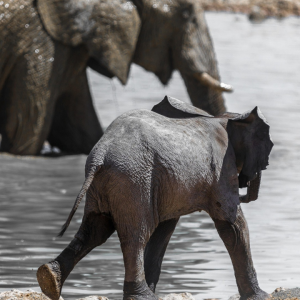 Why These Four Countries Make the Perfect Multi-Country Trip
South Africa, Namibia, Botswana, and Zimbabwe work beautifully together for a multi-country itinerary. Each one offers something unique, yet they connect well by road and air.
South Africa has vibrant cities, wine regions, and national parks. Namibia has vast desert scenery and wide open spaces. Botswana is a paradise for safaris. Zimbabwe combines cultural heritage with one of the most famous waterfalls in the world.
Moreover, these countries have good travel infrastructure. Flights and roads link them, which makes it possible to move without wasting days. You can choose to drive for a scenic overland experience or fly between key destinations to save time.
Step 1: Map a Logical Route
The first step in any multi-country trip is to decide on your route. Planning it in one direction will save both time and money.
For example:
-
Route 1: Cape Town → Namibia (Sossusvlei, Etosha) → Botswana (Okavango Delta, Chobe) → Zimbabwe (Victoria Falls)
-
Route 2: Johannesburg → Botswana → Namibia → Zimbabwe → Return from Johannesburg
-
Route 3: Windhoek → Northern Namibia → Botswana → Zimbabwe → Flight to Cape Town or Johannesburg
In addition, check border post hours. Some close at night, and that can change your driving plans.
Step 2: Decide on the Trip Length
A multi-country trip covering these four destinations works best if you have 15 to 21 days. This way, you have time for both travel and rest.
However, if your time is shorter, you could focus on three countries instead. For example, South Africa, Namibia, and Botswana form a great two-week loop. As a result, you still get variety without feeling rushed.
Step 3: Learn About Border Crossings
Borders in Southern Africa are usually straightforward if you prepare in advance. Have your passport, visas (if needed), and vehicle documents ready.
Moreover, carry some cash for border fees. Remote areas may not take cards. Popular crossings like Ngoma Bridge (Namibia–Botswana) or Kazungula (Botswana–Zimbabwe) tend to be efficient, but queues can still happen.
Step 4: Set a Realistic Budget
A multi-country trip can vary widely in cost. Safari lodges in Botswana and Namibia are often more expensive than self-catering stays in South Africa. Zimbabwe’s park fees are paid in US dollars.
Therefore, plan for fuel, park permits, and special activities. For example, scenic flights, guided safaris, or river cruises can add extra costs. In addition, keep some funds aside for surprises — like spotting a rare wildlife tour you can join on the spot.
Step 5: Choose the Right Transport
When traveling across borders, your transport choice can change your whole experience.
-
Self-drive: Gives freedom and flexibility. Namibia and South Africa have excellent roads. Botswana has more adventurous tracks that need 4×4 vehicles.
-
Guided tours: Remove the stress of logistics. Perfect if you want expert guidance.
-
Regional flights: Save hours on long stretches, such as Cape Town to Victoria Falls.
However, keep in mind that driving distances can be long. Plan overnight stops to avoid fatigue.
Step 6: Book Accommodation Early
In high season (July to October), lodges and camps near Etosha, the Okavango Delta, and Victoria Falls fill up fast.
Therefore, even if you like to travel with flexibility, secure at least your must-see stays in advance. In addition, booking early can get you better rates.
Step 7: Prepare the Right Documents
Passports should be valid for at least six months after your travel dates. Some travelers need visas for Zimbabwe, while many have visa-free access to Namibia and Botswana.
Moreover, make photocopies of your documents. Keep one set in your luggage and store digital copies online. This makes replacing them easier if they are lost.
 Step 8: Pack for Multiple Climates
Southern Africa’s climate changes fast. You may start with cool mornings in Cape Town, experience hot desert days in Namibia, and end with humid evenings in Chobe.
Therefore, pack layers, light fabrics, and a warm jacket for cold nights. In addition, bring sturdy walking shoes, a hat, sunscreen, and insect repellent.
Step 9: Use Technology to Stay Organized
Offline maps are useful for Namibia’s rural roads. Currency converter apps help manage rand, pula, and US dollars.
Furthermore, store your bookings, insurance details, and emergency contacts in one folder. As a result, you won’t waste time searching when you need them.
Step 10: Learn Local Greetings and Etiquette
Small cultural touches can make a big difference in your multi-country trip. In South Africa, “Sawubona” (Zulu) or “Dumelang” (Setswana) are common greetings. In Namibia, “Hallo” in Afrikaans or “Wa lalapo” in Oshiwambo are friendly ways to say hello.
Moreover, knowing a few words shows respect. People often respond warmly, and your trip becomes more personal.
Step 11: Build in Flexibility
Even the best-planned multi-country trip will have surprises. Roads may be closed after heavy rain. A wildlife sighting could delay you.
However, these changes can become highlights. Flexibility allows you to turn the unexpected into unforgettable moments.
Step 12: Get Good Travel Insurance
Travel insurance should cover medical care, cancellations, and lost luggage.
In addition, check if your policy includes activities like hot-air ballooning, quad biking, or game drives. This ensures you are covered for the experiences you want most.
 Step 13: Look for Regional Deals
Some safari companies offer packages covering multiple countries. Airlines sometimes have “open-jaw” tickets that let you fly into one city and out of another.
Therefore, checking these options early can save money and planning time. Moreover, deals may include transfers and activities, making your trip smoother.
Step 14: Plan Rest Days
A multi-country trip can be intense. Build in quiet days — maybe in Cape Town’s wine region, Namibia’s Skeleton Coast, or by the Chobe River.
As a result, you will enjoy your active days more and avoid travel fatigue.
Step 15: Enjoy Local Foods and Experiences
Taste South Africa’s bobotie, Namibia’s kapana street food, Botswana’s seswaa, and Zimbabwe’s sadza with relish.
Moreover, join activities that connect you to the community — a township walk, a desert stargazing night, or a sunset cruise. These moments often become the ones you remember most.
Step 16: Keep a Travel Journal
A journal turns your multi-country trip into a story. Write about places, people, and feelings.
In addition, add ticket stubs, maps, or pressed flowers. Later, these details bring your memories back to life.
Final Thoughts
South Africa, Namibia, Botswana, and Zimbabwe create a dream multi-country itinerary. You get coastlines, deserts, wildlife, and one of the world’s great waterfalls — all in one trip.
Moreover, with good planning, the journey can be stress-free and full of joy. Therefore, take your time, prepare well, and embrace the surprises along the way. The result will be a journey you will treasure forever.


Comment (0)