

 Why Traditions Matter on a Short Trip
Understanding local traditions on a short trip to Southern Africa adds depth to travel experiences that might otherwise feel fleeting. The region is culturally rich and diverse, shaped by centuries of history, migration, and shared community values. Even when time is limited, travelers can engage meaningfully with traditions that continue to influence daily life. Southern Africa invites visitors to slow their pace, observe carefully, and approach each interaction with respect rather than expectation, an approach that aligns closely with the travel philosophy behind Knap Tours.
The Cultural Importance of Greetings and Respect
Traditions in Southern Africa are not reserved for ceremonies or special occasions. They are present in everyday moments, particularly in the way people greet one another. Greetings are intentional and relational, often involving eye contact, a pause, and genuine inquiry. These exchanges reinforce social bonds and mutual respect. Taking the time to greet properly, even during brief encounters, shows awareness of local norms and creates a foundation for positive interaction. On a short trip, these moments may happen in markets, villages, or during guided cultural encounters designed to encourage respectful engagement rather than rushed observation.
Language as a Living Tradition
Language plays an essential role in sustaining traditions across Southern Africa. Indigenous languages remain deeply connected to identity, history, and community belonging. Hearing local languages spoken in public spaces reflects cultural continuity and resilience. Visitors are not expected to speak fluently, yet learning a simple greeting can signal humility and openness. These small efforts are often met with warmth and appreciation, turning fleeting encounters into meaningful exchanges that deepen cultural understanding.
Music and Dance as Cultural Storytelling
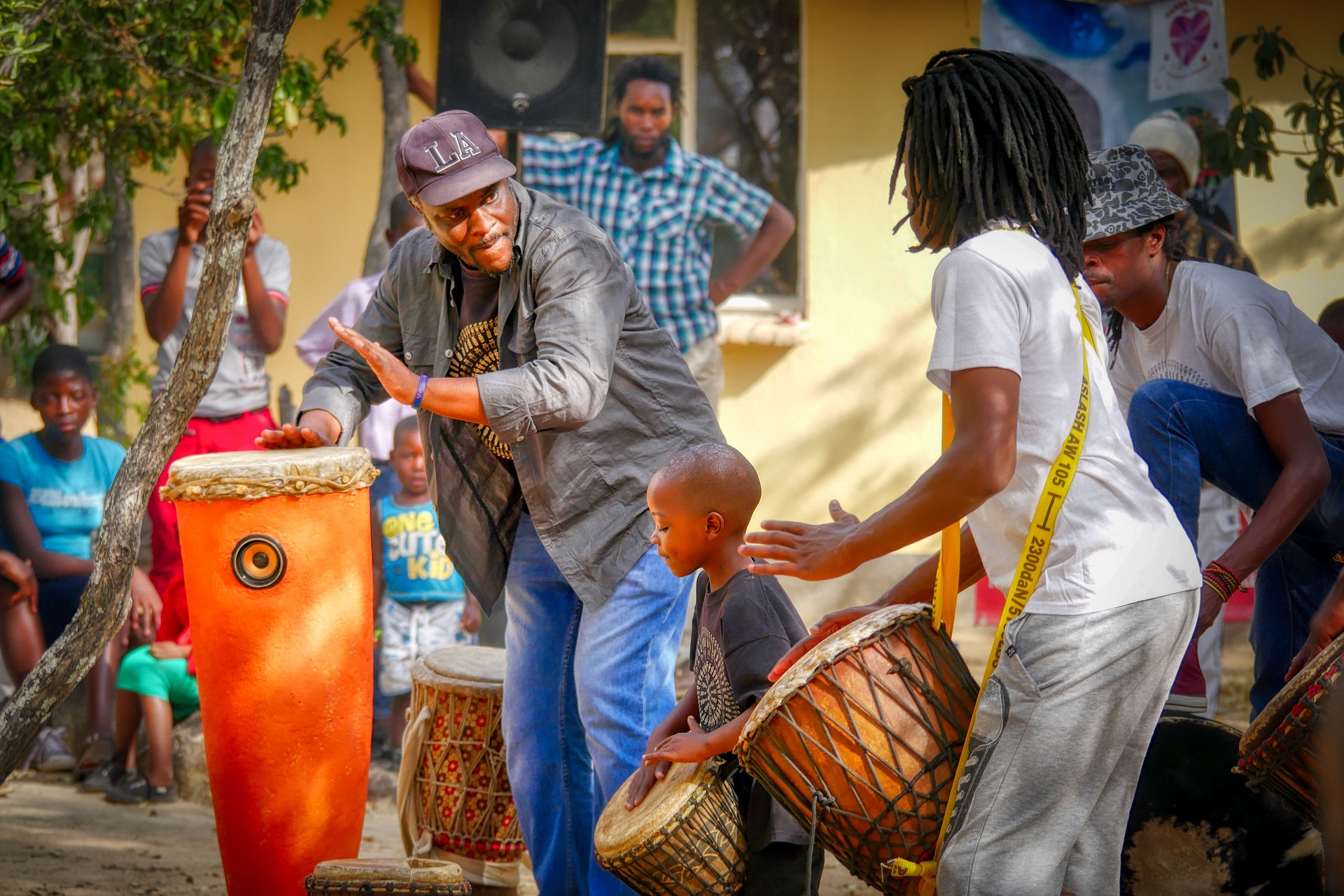 Music and dance traditions provide a powerful lens into Southern African culture. Drumming, singing, and movement are frequently used to mark life transitions, celebrate milestones, and preserve oral history. These expressions are living traditions rather than staged performances. Many have been recognized globally for their cultural significance, with organizations such as UNESCO working to safeguard intangible cultural heritage through initiatives. Understanding that a song or dance carries generational meaning adds emotional depth, even when encountered briefly.
Food Traditions and Shared Meals
Food traditions offer one of the most immediate ways to connect with local culture. Meals are often communal, emphasizing sharing, patience, and togetherness. Staple foods reflect both environment and history, shaped by local agriculture and ancestral knowledge. Sitting down to eat is rarely rushed and often accompanied by conversation and storytelling. Learning why certain dishes are prepared for specific occasions reveals social structures and values embedded in daily life. Travel resources regularly highlight how food traditions act as cultural gateways, helping travelers understand communities through taste and ritual.
Markets as Everyday Cultural Spaces
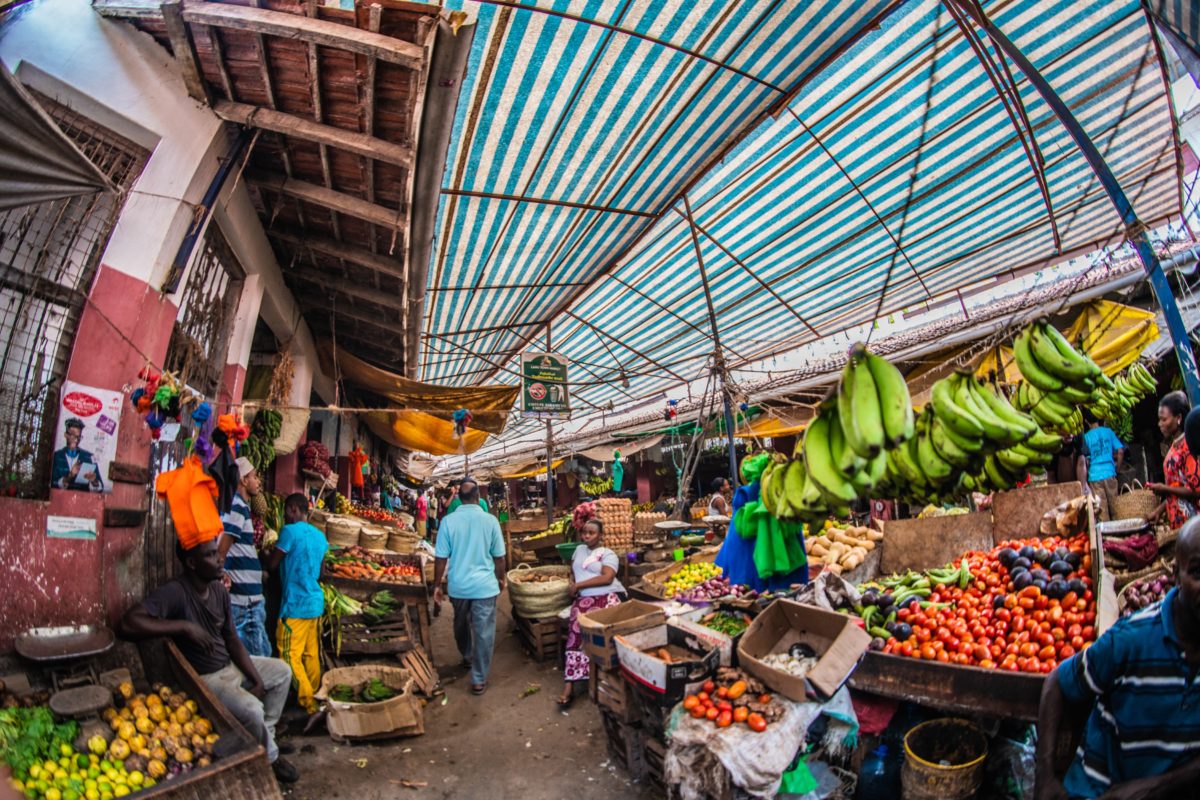
Markets are vibrant spaces where tradition and modern life intersect. They are places of exchange not only for goods, but for stories, humor, and social connection. The rhythms of negotiation, the presentation of produce, and the relationships between vendors and customers reflect long-standing customs. A short visit to a local market can reveal how traditions adapt without disappearing. Observing respectfully and engaging thoughtfully can turn a simple stop into a rich cultural experience.
Craftsmanship and Symbolic Expression
 Traditional craftsmanship remains an important expression of identity across Southern Africa. Beadwork, textiles, carvings, and woven items often carry symbolic meaning related to age, status, or important life stages. Understanding this context transforms these objects from souvenirs into cultural narratives. Supporting local artisans contributes to the preservation of skills passed down through generations and encourages ethical cultural exchange.
Spiritual Beliefs and Ancestral Traditions
Spiritual traditions are deeply woven into daily life for many communities. Ancestral reverence remains a guiding force, influencing ceremonies, family decisions, and social responsibilities. These beliefs often coexist with contemporary religious practices, reflecting adaptation rather than contradiction. Visitors are encouraged to observe with sensitivity and respect. Regional tourism bodies such as South African Tourism promote responsible cultural engagement, emphasizing heritage protection and community-led tourism.
Cultural Experiences on a Limited Schedule
Even with limited time, guided cultural encounters can offer meaningful insight when thoughtfully designed. Knap Tours creates experiences that prioritise authenticity and respect, working closely with local guides who provide cultural context and lived perspective. This approach allows travelers to understand not only what they are seeing, but why it matters within the cultural landscape, without feeling rushed or disconnected.
Traditions in a Modern Southern Africa
Modern Southern Africa continues to evolve, blending urban innovation with inherited customs. Traditions are not static remnants of the past. They are active, adaptive, and deeply relevant. Recognising this balance helps travelers avoid stereotypes and appreciate the region’s complexity. Even brief exposure can challenge assumptions and foster greater cultural empathy, particularly when journeys are designed with cultural awareness in mind.
Leaving with More Than Memories
Travelers who engage with traditions thoughtfully often leave with more than photographs. They carry a deeper appreciation for resilience, community, and shared humanity. Knap Tours supports this approach by designing journeys that respect both travelers’ time and local ways of life, ensuring cultural encounters feel meaningful rather than performative.
Understanding local traditions on a short trip to Southern Africa reframes travel as an exchange rather than consumption. It encourages listening over observing and connection over collection. This mindset transforms limited time into meaningful experience and remains central to how Knap Tours approaches culturally respectful travel.



Comment (0)