

Kruger National Park for Bird Lovers
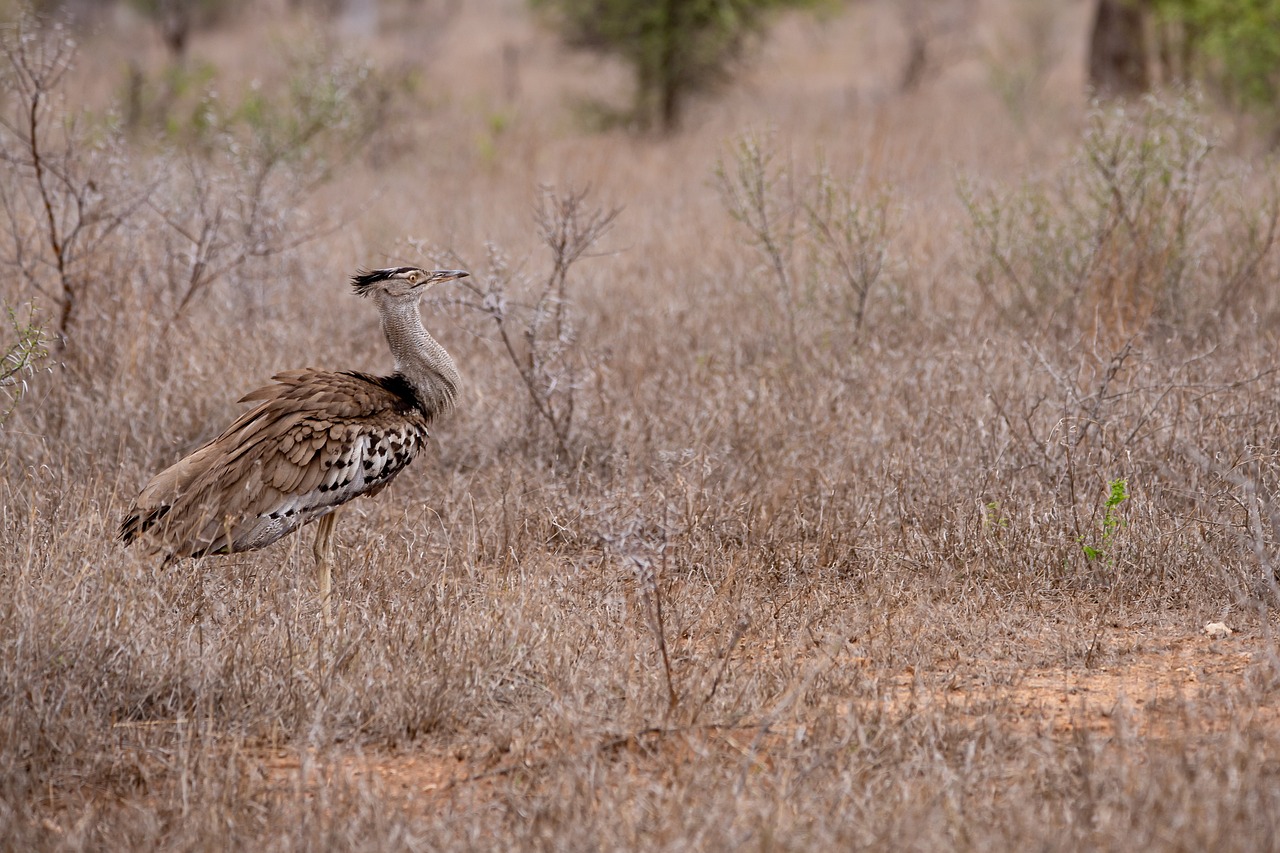 This South African reserve is a paradise for bird enthusiasts. Every year, travelers explore its remarkable birdlife. While famous for elephants, lions, and other wildlife, this park also attracts birdwatchers from around the world.
The reserve covers nearly 20,000 square kilometers. Rivers flow through open grasslands and thick woodland areas. Because of these diverse habitats, visitors can spot over 500 bird species.
Birdwatching here is rewarding for everyone. Beginners enjoy easy sightings. Experienced birders are challenged by rare species. The park welcomes all levels of interest.
For official information, visit the South African National Parks website.
Why This Park Is Ideal for Birding
Several factors make this birding destination special. First, the variety of species is impressive. Second, seasonal migration adds excitement. Third, visitors can access most areas easily.
More than 500 species have been recorded, including residents and migrants. During summer, birds arrive from Europe and northern Africa. Seasonal changes create a constantly evolving experience.
Roads and camps are well maintained. Guided tours and self-drive options make exploration simple. Birdwatchers enjoy both freedom and structured experiences.
For broader tourism information, see South African Tourism.
Best Regions for Birdwatching
Different areas provide unique experiences. Choosing the right region increases the chance of rare sightings.
Southern Section
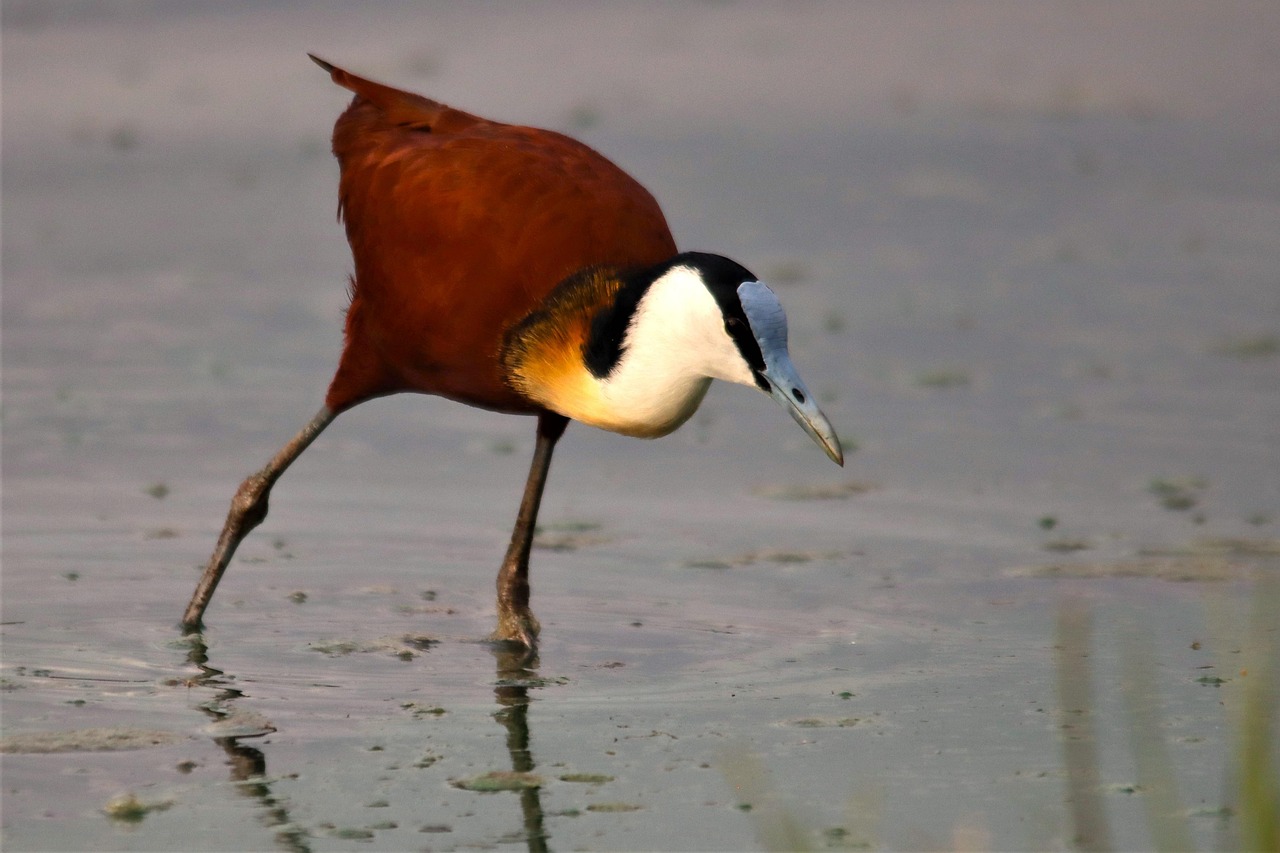
The southern region receives more rainfall, producing lush vegetation. Rivers attract kingfishers, herons, and storks. Woodland birds hide in dense trees, while raptors soar above open spaces.
This section is popular due to easier access and nearby camps.
Central Section
Open grasslands dominate the center. Ground birds and raptors are easier to spot. Secretary birds stroll across plains, and bustards stand tall. Clear visibility makes photography enjoyable.
Northern Section
The northern area is quieter and less visited. Riverine forests attract unique species. Serious birders often seek rare sightings here. The peaceful environment enhances focus and observation.
Iconic Birds You May See
The reserve offers a variety of striking and colorful species.
The Southern Ground Hornbill is a standout. It walks across open areas and has vibrant red facial skin. Spotting one is rare and memorable.
The Lilac-breasted Roller displays bright feathers and perches near roads—photographers love this species.
The African Fish Eagle is recognized by its powerful call. Rivers and dams are ideal for sightings.
Large raptors like the Martial Eagle soar above open plains and are easier to spot in central areas.
For species conservation status, visit IUCN Red List. BirdLife enthusiasts can also explore BirdLife South Africa for detailed resources.
Best Time to Visit for Birding
Season influences sightings.
Summer (October–March) brings migratory birds, increasing species diversity. Many birds breed, showing brighter plumage and louder calls. Afternoon storms are common, but the landscape looks lush.
Winter (May–September) dries the bush, making birds easier to spot. Water sources shrink, concentrating activity. Visibility improves, although migratory species are fewer.
Birding Tips for Visitors
Preparation ensures success.
Bring binoculars and a field guide or birding app. Start early; sunrise is most active, and late afternoon works well. Drive slowly, stop often, and listen carefully. Patience is key.
Joining a guided tour improves results. Experienced guides recognize calls and habitats quickly. Knap Tours offers specialized birding safaris and expert guidance for a more enriching experience.
Habitats Supporting Birdlife
Diverse habitats attract different species:
-
Riverine forests: Kingfishers, herons, and fish eagles thrive near rivers.
-
Grasslands: Ground birds and raptors dominate open areas.
-
Woodlands: Colorful species like rollers and sunbirds inhabit trees.
-
Waterholes: Gather birds during dry months, making observation easier.
For scientific research and biodiversity insights, see SANParks Scientific Services.
Photography Opportunities
The park is perfect for bird photography. Early morning light creates warm tones; evening light adds depth. Open plains provide clear backgrounds. Telephoto lenses help capture detail.
Self-drive freedom allows patience and repeated visits to key spots. Respect for wildlife remains essential.
Conservation and Community Involvement
Conservation is central. Park authorities focus on habitat protection and species monitoring. Community programs promote sustainable tourism and education. Visitors support these initiatives by traveling responsibly.
Knap Tours encourages eco-friendly trips, ensuring tourism benefits both wildlife and local communities.
 Planning Your Birding Trip
Plan ahead for the best experience:
-
Choose the right season.
-
Decide between self-drive or guided tours.
-
Book accommodation early (rest camps, bush camps, lodges).
Knap Tours helps with route planning, accommodations, and matching travel dates with peak birding seasons.
Pack light clothing, warm layers for mornings, sunscreen, and a hat. Research target species beforehand to focus your trip.
Why This Park Remains a Top Destination
Accessibility, biodiversity, and natural beauty make this reserve a top choice. Over 500 species are supported, and seasonal migration keeps experiences fresh.
Birdwatching often coincides with sightings of elephants, lions, and other wildlife. Sunrises fill the sky with color, and bird calls echo across the plains. Moments like these remain unforgettable.
Final Thoughts
This birding destination offers something meaningful for everyone. Beginners and experienced birders alike can enjoy over 500 species.
Guided support from Knap Tours enhances your journey, while self-drive options provide freedom. Visiting responsibly supports conservation and local communities.
Take time to observe, stay patient, and enjoy every sighting. This South African reserve rewards those who look closely.
Comment (0)