

 Many travelers ask, “Is it safe to travel between Southern African countries?” The simple answer is yes. However, like anywhere in the world, safety depends on preparation, awareness, and smart planning. Southern Africa is one of the most rewarding regions to explore. It offers dramatic landscapes, rich cultures, and unforgettable wildlife experiences.
At Knap Tours, we help travelers navigate Southern Africa safely and confidently, creating unforgettable multi-country safari experiences. In this guide, we explore safety when traveling between countries such as South Africa, Namibia, Botswana, Zimbabwe, Zambia, and Mozambique. We also share practical advice so you can travel confidently and responsibly.
Understanding Safety in Southern Africa
Southern Africa is not a single country. Each nation has its own laws, systems, and infrastructure. Generally, the region is politically stable and tourism-focused. Millions of visitors travel here every year without major issues.
Tourism plays an important economic role. Because of this, governments invest in airports, highways, national parks, and hospitality training. Major safari areas and city centers are well prepared for international visitors.
For official destination information, safety tips, and travel planning resources, travelers can consult the official South African Tourism portal. While this site focuses on South Africa, it also provides useful regional travel context.
That said, petty crime can occur in busy urban areas. Visitors should remain alert in cities, just as they would in other global destinations.
Border Crossings: What to Expect
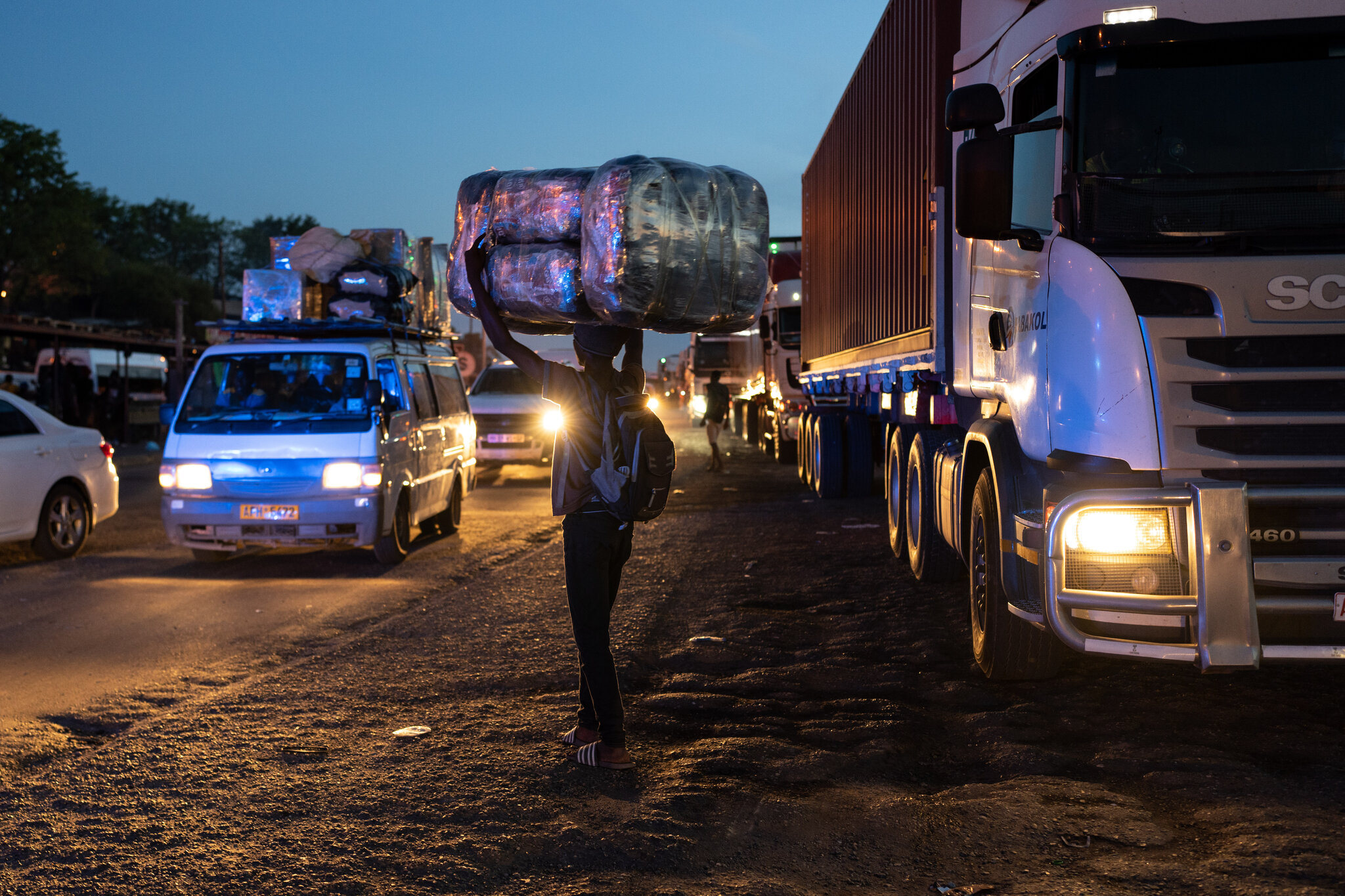
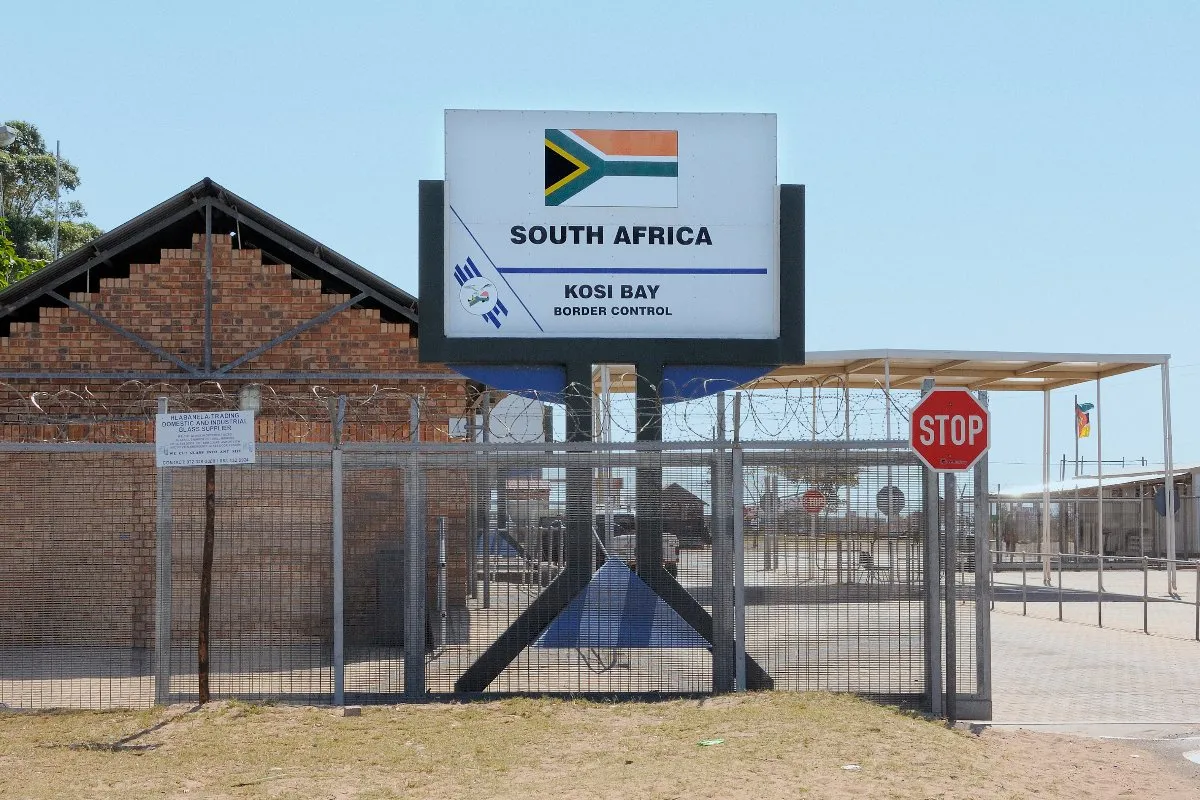
Traveling between Southern African countries is common, especially on multi-country safari itineraries. For example, many visitors combine Cape Town, Kruger, and Victoria Falls in one trip. Border posts are official and regulated. In most cases, crossing procedures are straightforward.
When you travel with Knap Tours, border logistics, transport, and accommodations are arranged for you, making cross-border travel smooth and stress-free.
Still, preparation is important. Always:
-
Carry a valid passport with sufficient blank pages
-
Check visa requirements in advance
-
Keep printed copies of travel documents
-
Use official border posts only
-
Avoid late-night crossings where possible
Flying Between Countries
Flying is often the safest and fastest way to move between countries in Southern Africa. Major hubs connect cities daily. Regional airlines operate between Johannesburg, Windhoek, Maun, Livingstone, and Maputo. Airports follow international aviation standards, with structured security and customs checks.
Small charter flights are common for safari destinations. These flights operate under licensed aviation authorities. Although they use smaller aircraft, they maintain strong safety records and are widely trusted in the safari industry.
Road Travel Between Countries
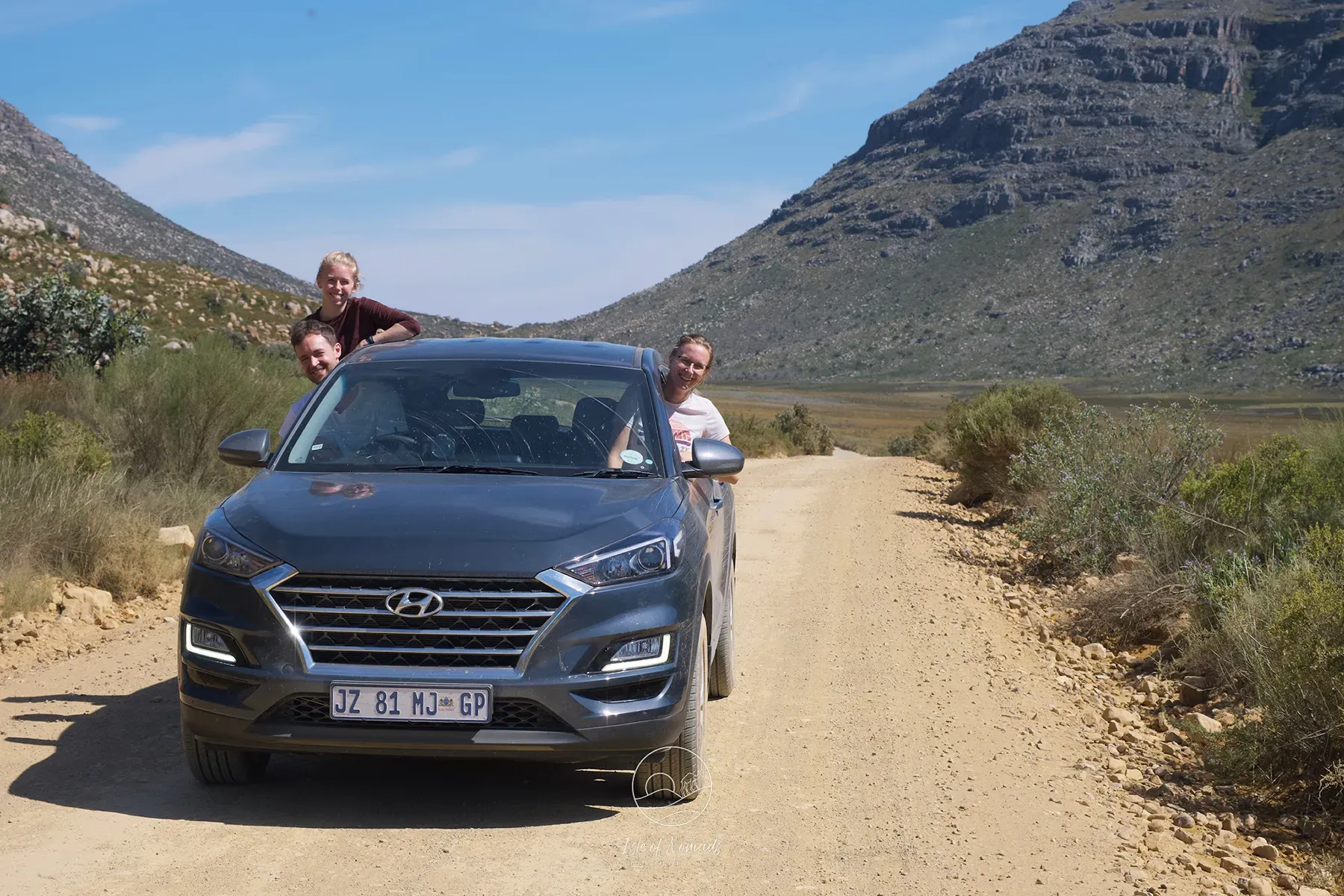 Road trips are popular, especially between:
-
South Africa and Namibia
-
Botswana and Zimbabwe
-
Zambia and Zimbabwe
-
South Africa and Mozambique
Main highways between major destinations are generally well maintained. Rural areas may include gravel roads, so a 4×4 vehicle is sometimes necessary.
Before driving across borders, confirm:
-
Cross-border vehicle insurance
-
Required road permits
-
Seasonal road conditions
-
Fuel availability in remote areas
Professional driver-guides reduce risk and simplify paperwork. They also understand local laws and safe travel routes.
Health and Medical Safety
Health preparation is essential when traveling between Southern African countries. Major cities offer excellent private hospitals, but travel insurance is strongly recommended.
Some areas, particularly near wetlands and rivers, are malaria zones. Parts of Zambia, northern Botswana, and Zimbabwe fall into this category. Consult your healthcare provider before departure.
For up-to-date global health guidance, travelers should review the World Health Organization’s travel advice page. In addition, country-specific vaccine recommendations and malaria prevention advice are available through the CDC Traveler’s Health website.
Prevention is key: drink bottled or filtered water where recommended, use sunscreen, and stay hydrated.
Wildlife Safety Across Borders
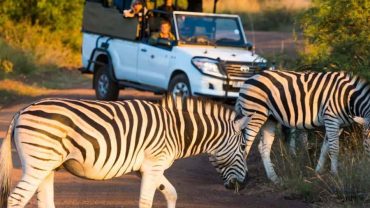
Southern Africa is globally known for its wildlife. Parks such as Kruger National Park, Etosha National Park, Chobe National Park, and Victoria Falls attract visitors worldwide.
These areas are professionally managed. Rangers and safari guides are highly trained, but wild animals require respect.
Follow these rules:
-
Remain inside your vehicle unless instructed otherwise
-
Keep safe distances from animals
-
Never feed wildlife
-
Listen carefully to guide briefings
Cross-border conservation areas, like the Kavango–Zambezi Transfrontier Conservation Area, promote cooperation between countries, improving both wildlife protection and visitor safety.
Political Stability and Travel Awareness
 Southern Africa is generally stable. Peaceful demonstrations may occasionally occur in cities, but tourist areas are rarely affected.
Travelers should:
-
Monitor local news
-
Avoid large gatherings
-
Follow guidance from local authorities
Checking travel advisories before departure ensures you stay informed and prepared.
Crime and Personal Safety
Some urban areas experience petty theft. Incidents often involve pickpocketing in crowded areas.
To reduce risk:
-
Avoid displaying expensive items
-
Use hotel safes
-
Arrange official airport transfers
-
Avoid walking alone at night in unfamiliar areas
Safari lodges and rural conservation areas typically have very low crime rates. Many travelers report feeling safe and relaxed in these environments.
Visa Requirements and Currency
Visa requirements vary by nationality. Some travelers qualify for visa-free entry. Others must apply in advance or obtain a visa on arrival.
For example, Zambia and Zimbabwe offer the KAZA Univisa for certain passports. South Africa has specific entry rules based on nationality.
Currency differs across the region. South Africa uses the Rand; Namibia accepts both the Rand and Namibian Dollar. Botswana uses the Pula, while US dollars are widely accepted in Victoria Falls and some safari areas. Credit cards are commonly accepted at lodges, but small cash is useful for border fees or local markets.
Is It Safer to Travel With a Tour Operator?
Independent travel is possible, but guided travel adds extra security and convenience. Experienced operators:
-
Arrange permits and border paperwork
-
Coordinate transfers and flights
-
Provide emergency support
-
Work with trusted local partners
Multi-country itineraries are simpler and safer when planned with Knap Tours, especially for first-time visitors to Southern Africa.
Final Verdict: Is It Safe?
Yes. Traveling between Southern African countries is safe when you plan properly. Millions of visitors explore the region each year without incident. Airports, border posts, safari lodges, and conservation areas operate under established safety systems.
Preparation is key: research visas, review health guidance, use reputable transport providers, stay aware in cities, and respect wildlife rules.
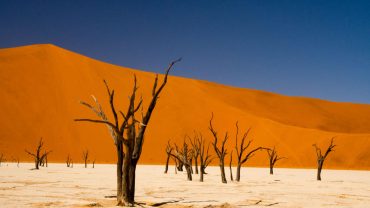
Southern Africa offers extraordinary experiences — from Namibia’s deserts to Botswana’s waterways and the power of Victoria Falls. With careful planning and trusted guidance from Knap Tours, your journey across Southern African countries can be both safe and unforgettable.
Comment (0)