

Insurance Tips for African Safaris: What Every Traveler Should Know
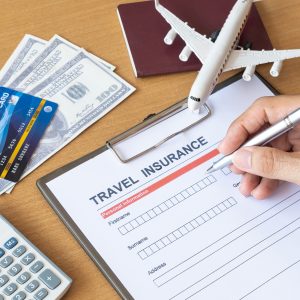
Planning an African safari brings excitement and anticipation. Landscapes feel vast and open. Wildlife encounters feel close and personal. Memories last a lifetime. At the same time, preparation plays a key role. One essential part of that preparation is insurance.
African safaris often take place far from major cities. Medical facilities may be limited. Weather can change plans quickly. Travel routes can shift without warning. Because of this, insurance is not optional. Instead, it becomes a foundation for safe and confident travel.
This guide explains insurance for African safaris in clear and simple terms. It focuses on protection, planning, and peace of mind. With the right cover, travelers can focus on the experience rather than the risks.
Insurance and African Safaris: Why Coverage Matters
Safari travel is different from most holidays. Locations are remote. Activities take place in natural environments. Distances between services can be long. For these reasons, insurance matters more than many travelers expect.
Medical evacuation is one of the biggest considerations. In some safari regions, advanced hospitals are hundreds of kilometers away. Transport may require a helicopter or light aircraft. Without proper insurance, these costs can be overwhelming.
Trip disruption also plays a role. Flights may be delayed. Weather may affect schedules. Border crossings may take longer than planned. With suitable insurance, these changes feel manageable instead of stressful.
Insurance Basics Every Safari Traveler Should Understand
Before choosing a policy, understanding the basics of insurance helps avoid surprises. Coverage can vary widely between providers. Reading the details matters.
Most comprehensive policies include medical care, emergency evacuation, trip cancellation, and baggage protection. However, safari travel introduces unique factors that deserve attention.
Activities such as game drives, walking safaris, and river excursions may be treated differently by insurers. Therefore, checking what is included remains essential. A policy designed for urban travel may not suit a safari journey.
Insurance for Medical Care and Emergency Evacuation
 Medical coverage is the most important part of insurance for African safaris. Even minor injuries can become serious when help is far away.
Strong policies include emergency treatment and evacuation to the nearest suitable medical facility. Coverage limits should be high enough to cover air transport. Without this level of insurance, travelers may face difficult decisions in urgent situations.
Pre-existing medical conditions also require attention. Some insurers require disclosure before travel. Transparency ensures coverage remains valid when it is needed most.
For general health guidance before travel, many people consult the World Health Organization.
Insurance and Safari Activities
Safari itineraries often include a range of activities. Game drives are common. Walking safaris offer closer connection to nature. Balloon flights and river safaris also feature on many routes.
Not all insurance policies automatically cover these experiences. Some classify them as adventure activities. Others require optional extensions.
Because of this, reviewing activity coverage carefully is important. If an activity is excluded, related claims may be denied. Confirming coverage before travel prevents confusion later.
Knap Tours often encourages travelers to review their insurance details early so protection aligns with planned safari activities.
Trip Cancellation and Travel Changes
Safari travel usually involves several bookings. Flights, lodges, transfers, and park fees add up quickly. Therefore, cancellation protection matters.
Good insurance covers unexpected events such as illness, injury, or family emergencies that prevent travel. Some policies also include cover for delays caused by airlines or weather conditions.
However, not every reason qualifies for a claim. Understanding covered scenarios helps set realistic expectations. Reading policy wording carefully remains essential.
Luggage Protection on Safari
While medical concerns often take priority, luggage protection still matters. Safari travel frequently uses small aircraft with weight limits. Delays or rerouting can happen.
It may cover delayed or lost luggage, allowing travelers to replace essentials quickly. This can be especially helpful when safari clothing or medication is delayed.
High-value items such as cameras may have separate limits. Reviewing policy details ensures important equipment is adequately covered.
Insurance for Multi-Country African Safaris
Many safari journeys cross borders. One itinerary may include several countries. Because of this, insurance must cover all destinations involved.
Some policies restrict coverage to specific regions. Others require travelers to list countries in advance. Verifying destination coverage avoids complications later.
Regional weather events or border delays can affect multi-country trips. Comprehensive insurance provides flexibility when plans change.
Emergency Assistance Services
Beyond financial cover, emergency support services matter greatly. Many insurance policies include 24-hour assistance.
These services help coordinate medical care, evacuation, and communication with local providers. During stressful moments, professional support makes a meaningful difference.
Checking whether assistance services operate effectively in remote areas is important. Additional safety guidance is available through International SOS.
Insurance and Responsible Safari Travel
Responsible travel includes preparation. Insurance supports this by reducing pressure on local systems during emergencies.
When travelers are insured, medical costs are handled appropriately. Evacuation resources are used responsibly. Local facilities receive proper support.
This approach benefits everyone. Travelers feel secure. Communities remain supported. Destinations stay sustainable.
Knap Tours encourages travelers to view insurance as part of respectful and thoughtful safari planning.
Tips for Choosing the Right Policy
Selecting insurance requires more than choosing the cheapest option. Suitability matters more than price.
Travelers should consider destination, trip length, planned activities, and personal health needs. Comparing policies highlights differences in coverage limits and exclusions.
Official travel health advice for specific countries can also be reviewed through the CDC Travelers’ Health portal.
Insurance and When to Purchase Cover
Timing affects protection. Purchasing insurance soon after booking often provides better cancellation benefits.
Some policies offer added protection only if purchased within a set timeframe. Waiting too long may reduce available options.
Early coverage also provides peace of mind during planning. Unexpected changes feel easier to manage when protection is already in place.
Insurance Myths About African Safaris
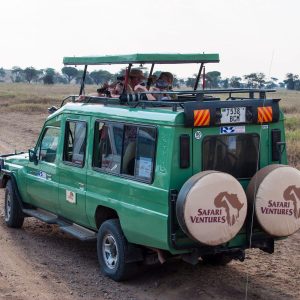 Some travelers believe safari destinations are difficult to insure. Others assume coverage will be expensive or unavailable. These ideas are often incorrect.
Many insurers offer policies designed for safari travel. Costs depend more on coverage level than destination alone.
Understanding options replaces uncertainty with confidence. Reliable insurance makes safari travel more accessible and less stressful.
Insurance and Peace of Mind on Safari
Peace of mind allows travelers to stay present. When protection is in place, attention shifts to the experience itself.
With suitable insurance, concerns about emergencies fade into the background. Focus returns to wildlife, landscapes, and shared moments.
This sense of security enhances the overall journey. Preparation supports enjoyment rather than limiting it.
Final Thoughts: Why It Is Essential for African Safaris
African safaris offer powerful experiences. Nature feels close. Space feels endless. Memories stay vivid. At the same time, thoughtful preparation matters.
Insurance provides structure in unpredictable environments. It protects health, time, and financial investment. Most importantly, it supports calm decision-making when plans change.
Choosing the right insurance is not about fear. Instead, it is about readiness and responsibility. With proper cover, safari travel becomes more relaxed, flexible, and rewarding.
Knap Tours designs safari journeys with preparation and peace of mind in focus, helping travelers explore Africa with confidence.

Comment (0)